
- Your cart is empty
- Continue Shopping
The Complete Guide to Rolling Papers: Materials, Sizes, Wraps and How to Choose
- Posted on
-
Posted by: Blaze Jax
- 0 comments
- Categories: Rolling Papers
Affiliate Disclosure: This post contains affiliate links. If you buy through our links we may earn a small commission at no extra cost to you.
Quick Answer
For most people, thin rice or hemp papers in a 1¼ size are the best all-round choice: easy to roll, slow-burning, and widely available. Choose king size for a longer roll, cellulose for a see-through look, flavoured for taste, and leaf wraps if you want a heavier, slower burn. Match the paper to how you roll, not to how it looks in the packet.
Rolling papers seem simple until you stand in front of a shelf of them. Materials, sizes, thicknesses, gum types, and flavours all change how a paper rolls and burns. This guide sets out every major choice in plain terms, explains who each type suits, and links to our detailed articles on each topic so you can go further where you need to.
What Rolling Papers Are Made From
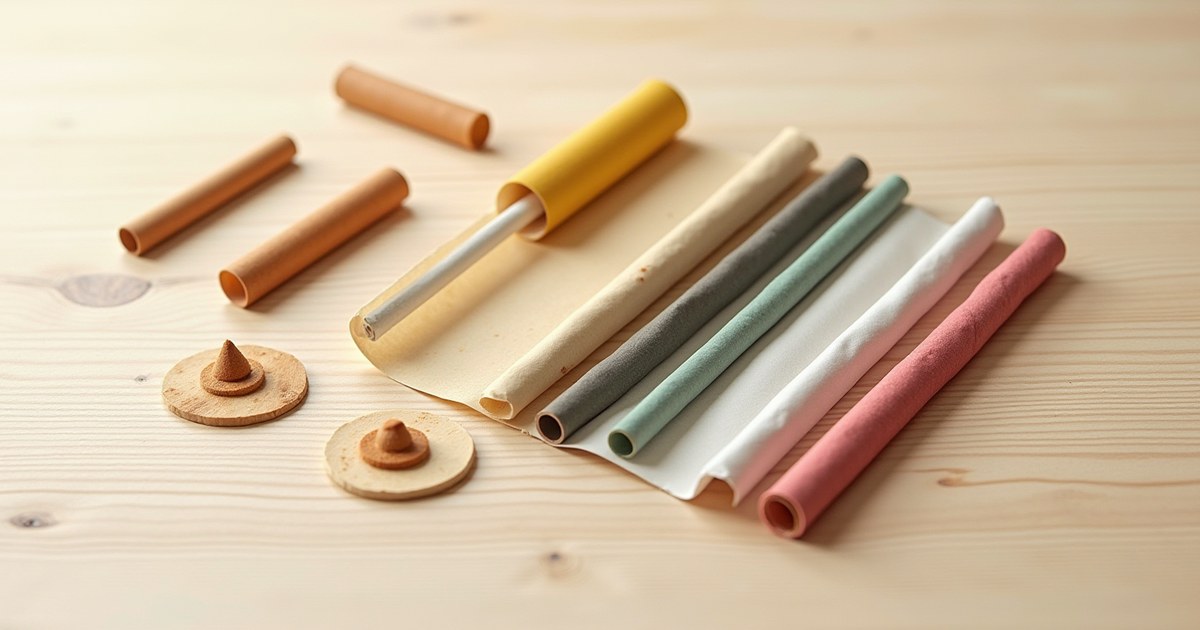
Material determines how thin the paper is, how it burns, and how it tastes. The main options are:
| Material | Feel and Burn | Best For |
|---|---|---|
| Rice | Very thin, slow, even burn, almost no taste | Everyday rolling, flavour purists |
| Hemp | Slightly thicker, natural texture, slow burn | People who prefer a natural feel |
| Wood pulp / flax | Standard thickness, widely available | Budget-friendly basics |
| Cellulose (clear) | Transparent, very thin, slow burn | Style, and clean-looking rolls |
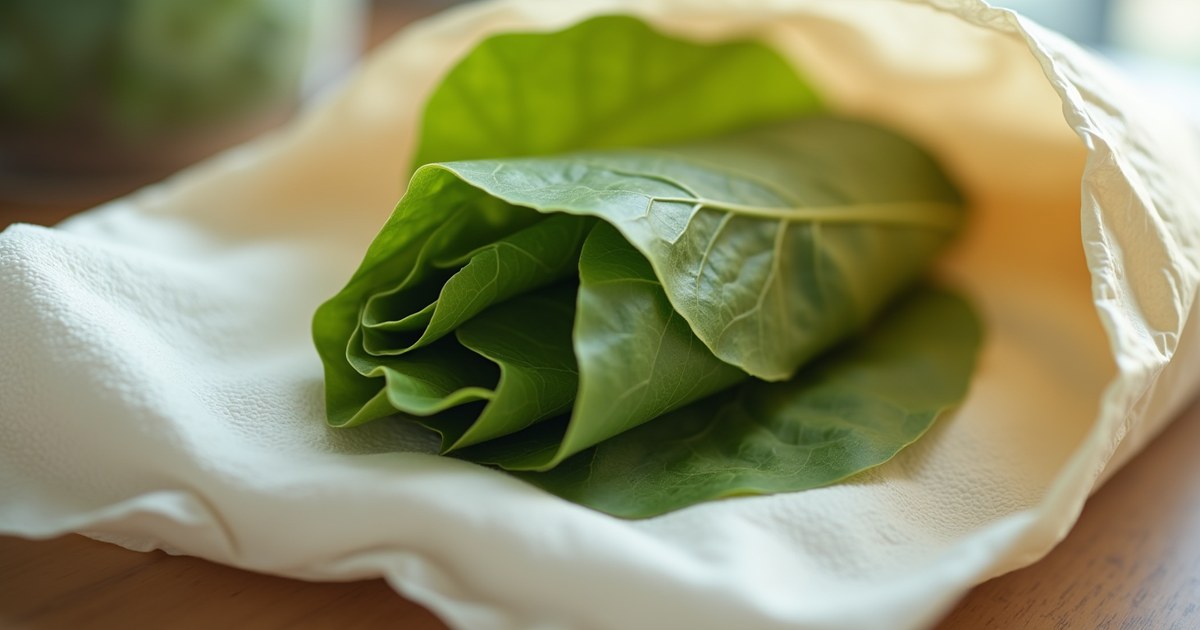
| Leaf wraps | Thick, flavoured, slow-burning | A heavier, longer session |
The most common debate is hemp versus rice; our hemp vs rice comparison goes through the differences in detail. For see-through papers, read clear rolling papers explained.
Rolling Paper Sizes
Size affects how much material a paper holds and how long the roll lasts.
| Size | Typical Length | Notes |
|---|---|---|
| Single wide | About 70mm | Smallest; light rolls |
| 1¼ (one and a quarter) | About 78mm | The most popular size; balanced |
| King size | About 108mm | Longer, holds more |
| King size slim | About 108mm, narrower | Longer but thinner rolls |
If you’re not sure which to pick, 1¼ is the safe default. Our king size vs 1¼ guide explains how to decide. Size also determines which rolling machine you’ll need — see our machine size comparison.
Alien Puff Pink 1¼ (25 booklets) at The Smokery Hub →
Thickness and Burn Rate
A thinner paper burns slower and lets more of the material’s flavour through, but it’s harder to handle and can tear. A thicker paper is more forgiving to roll but burns a little faster and can add a papery taste. Beginners generally find a medium-thin paper the easiest place to start, which is why our beginner rolling paper guide recommends that range.
Gum, Glue and Adhesive Strips
Most papers have a strip of natural gum along one edge that you lick to seal. Gum arabic is the most common and has almost no taste. Some brands use different adhesives, which can affect both stickiness and flavour. A good seal should hold without needing much moisture; if a paper keeps unsticking, it may have dried out — see our note on storing papers and wraps.
Flavoured Papers
Flavoured papers add taste through a coating on the paper. They’re popular for casual sessions and as a way to make a smoother, sweeter roll. Because flavour is subjective, start with a single booklet before buying in bulk. Read how to use flavoured papers for tips on getting the best from them, and our flavoured paper roundup for what to try first.
Alien Puff GO Green at The Smokery Hub →
Filter Tips
A filter tip (or crutch) gives you something to hold, keeps loose material from reaching your mouth, and helps a roll keep its shape. Pre-cut tips are convenient, and many people simply roll their own from thin card. Our guide on whether you need filter tips explains when they help and when they’re optional.
Alien Puff Black (4-in-1) Filter at The Smokery Hub →
Papers vs Wraps
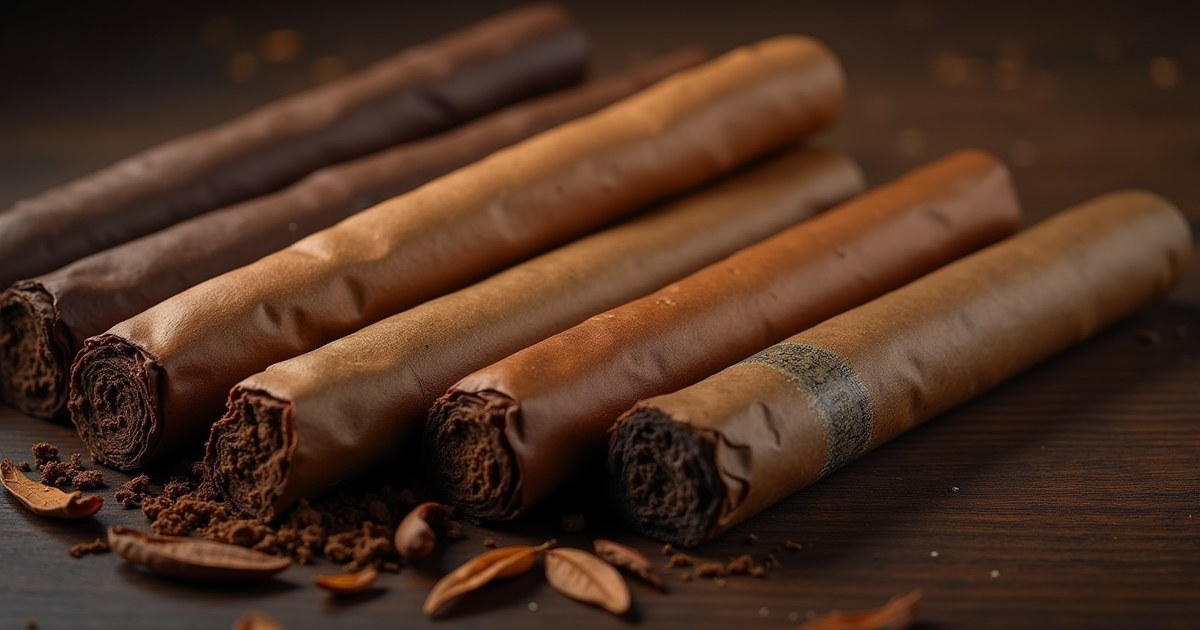
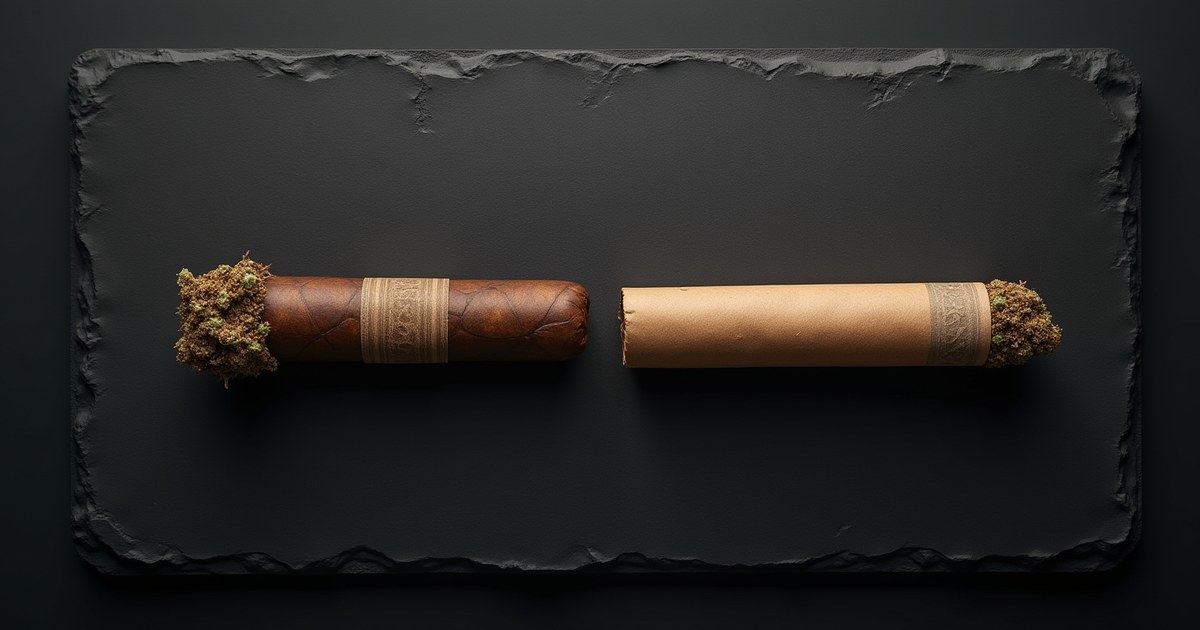
Wraps are leaf-based or leaf-style products that hold more material and burn slower than papers, and they usually have their own flavour. They’re a different product with different rolling technique. Our rolling papers vs blunt wraps guide covers the fundamentals, while cigar wraps vs blunt wraps drills into the wrap categories.
If you’re exploring wraps, our individual reviews cover the most popular ones:
- Backwoods cigars review
- White Owl cigars review
- Grabba Leaf wraps review
- Slapwoods cigar wraps review
- King Palm wraps review
Grabba Leaf Whole Leaf Wraps at The Smokery Hub →
Rolling Methods: By Hand, Machine, or Cone
The way you roll matters as much as the paper. Each approach has a place:
- By hand: the most flexible and satisfying, but takes practice — see how to roll without a machine
- With a machine: fast and consistent, ideal for beginners — see how to use a rolling machine
- Cones: pre-shaped and easy to fill — see how to roll a perfect cone and pre-rolled cones vs rolling your own
Rolling Machine 110mm at The Smokery Hub →
Brand Comparisons
Big-name brands are often compared head-to-head. If you’re weighing two popular choices, our OCB vs RAW comparison and RAW rolling papers review cover the differences. For lesser-known brands, our brands guide explains how to judge quality.
Storage: Keeping Papers Fresh
Papers and wraps absorb moisture from the air, which affects burn and seal. Store them in a dry place, away from heat and sunlight, ideally in a sealed pouch or small container. Overly dry wraps crack and overly damp ones won’t burn well. A small airtight bag goes a long way.
Zip Bag 7×10cm at The Smokery Hub →
How to Read a Packet
Packaging can be confusing, but a few details tell you almost everything. Look for the size (single wide, 1¼, king size), the number of papers per booklet, the material, and whether the pack includes tips. Booklets of 32 to 50 leaves are common, and larger packs sometimes come in boxes of 24 or 25 booklets. If a pack doesn’t say what the paper is made from, treat that as a signal to be cautious.
Thickness is usually given in grams per square metre, but many brands don’t publish it. In that case, the material and the marketing language (‘ultra thin’, ‘slim’) are your best guide.
Handling Different Paper Types
Not every paper rolls the same way. A few notes on adjusting your technique:
- Thin rice papers: light, quick, and easy to tear. Use a gentle touch and don’t overfill.
- Hemp papers: slightly firmer and more forgiving. A good pick if thin papers keep ripping.
- Cellulose papers: slippery and quite transparent. Roll slowly and keep fingers dry.
- Flavoured papers: the coating can be tacky, so avoid wet fingers.
- Leaf wraps: need to be slightly moist and rolled more firmly than papers.
Fixing Common Burn Problems
Most burn problems come from the roll, not the paper. Here’s how to diagnose them:
| Problem | Likely Cause | Fix |
|---|---|---|
| Canoeing (one side burns faster) | Uneven fill or uneven seal | Fill more evenly and press the seam flat |
| Runs too fast | Too loose or too coarse | Pack a little firmer, grind more evenly |
| Goes out repeatedly | Too tight or too damp | Loosen the pack and let material dry |
| Harsh, papery taste | Thick or heavily treated paper | Try a thinner or cleaner paper |
| Seam keeps opening | Dry gum or too little moisture | Store papers sealed; lick lightly |
If you’re troubleshooting a persistent issue, our how to roll without a machine guide walks through the fundamentals from scratch.
Choosing Papers by Situation
- At home: anything you like, including king size and leaf wraps
- Outdoors and travel: 1¼ papers in a sturdy booklet, kept in a sealed pouch — see our smell-proof bags for travel
- Sharing: king size or wraps, which hold more
- Learning to roll: medium-thin 1¼ papers with pre-cut tips
- Impressing guests: clear cellulose or a coloured pack
A Simple Plan for Finding Your Favourite
Rather than guessing, run a small experiment. Buy three single booklets: a standard 1¼ paper, a hemp paper, and one flavoured or cellulose option. Roll a few of each, note which is easiest to handle and which you enjoy most, and then buy your favourite in larger quantities. It costs very little and saves you from a drawer full of packs you never use.
Which Rolling Paper Should You Buy?
| If You… | Choose |
|---|---|
| Are a beginner | Medium-thin 1¼ papers |
| Want the slowest, cleanest burn | Thin rice or cellulose |
| Prefer a natural feel | Hemp papers |
| Like flavour | Flavoured papers, small pack first |
| Want a long roll | King size |
| Want a heavy, slow session | Leaf wraps |
| Roll with a machine | Match machine width: 70mm, 78–79mm, or 110mm |
Common Mistakes to Avoid
- Buying in bulk before trying a paper: taste and texture are personal
- Choosing size by looks: a king size roll is awkward if you smoke slowly and solo
- Ignoring storage: dried-out papers tear and won’t seal
- Overfilling: an overstuffed roll canoes and burns unevenly
Related Articles
Frequently Asked Questions
What’s the best rolling paper for beginners?
A medium-thin 1¼ paper. It’s forgiving to roll, burns evenly, and is widely available.
Are hemp papers better than rice?
Neither is universally better. Hemp has a slightly more natural feel; rice is thinner with almost no taste. Choose based on preference.
Do rolling papers go off?
They don’t spoil, but they can dry out or absorb moisture. Store them in a cool, dry place in a sealed pouch.
What size rolling paper should I use?
1¼ is the most balanced default. Use king size for longer rolls and single wide for lighter ones.
Do I need filter tips?
They’re optional but helpful for holding shape and stopping loose material reaching your mouth.
Final Thoughts
The best rolling paper is the one that rolls easily and burns evenly for you. Start with a thin 1¼ paper, try one pack of anything new before buying more, and keep everything stored sealed. From there, the rest is preference.
Shop Rolling Papers at The Smokery Hub
Papers, wraps, filter tips, and everything you need to roll.
Prices listed are approximate and may vary by retailer. Always check current pricing before purchasing.
complete guide to rolling papers, how to choose rolling papers, rolling paper sizes and materials, rolling papers guide, types of rolling papers