
- Your cart is empty
- Continue Shopping
How to Roll a Perfect Cone Every Time: A Step-by-Step Guide
- Posted on
-
Posted by: Blaze Jax
- 0 comments
- Categories: How-To Guides
Affiliate Disclosure: This post contains affiliate links. If you buy through our links we may earn a small commission at no extra cost to you.
Quick Answer
A good cone comes from packing the tip loosely and the base more densely, then twisting the tip closed before lighting — an even taper is what actually controls the burn, not how tightly you roll the whole thing.
A cone-shaped roll burns more evenly than a straight cylinder because the taper naturally controls airflow as it burns down. The technique is simple once you’ve done it a few times — here’s the step-by-step version.
Step-by-Step: Rolling a Cone
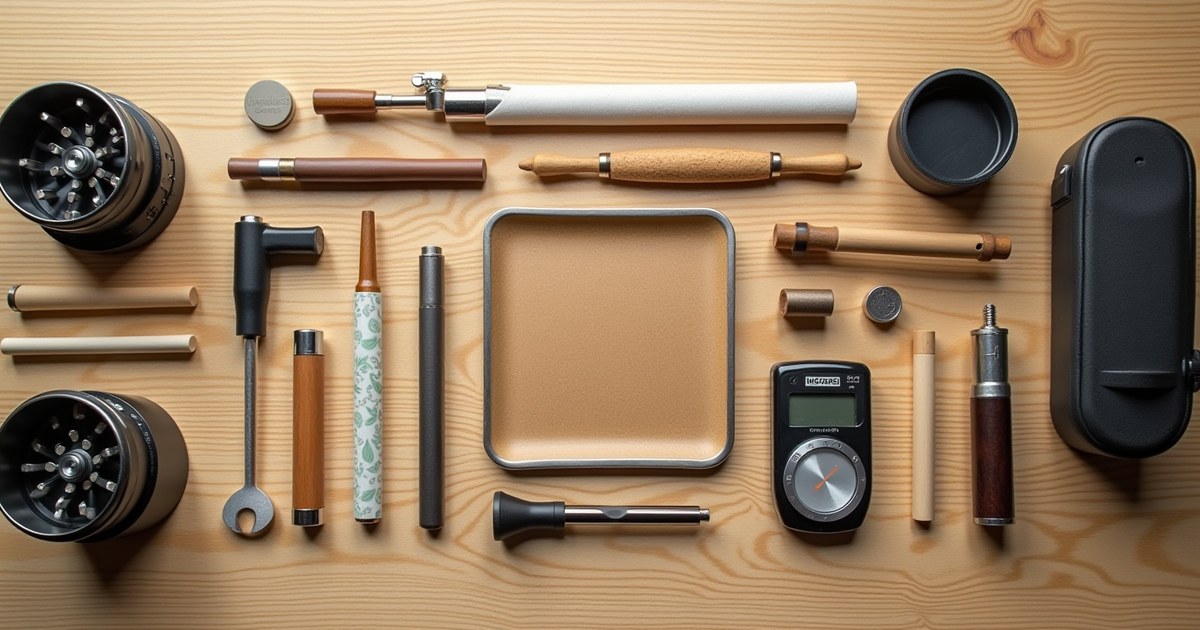
- Grind evenly. A consistent, medium-fine grind burns more predictably than uneven chunks — uneven pieces are the most common cause of a lopsided burn.
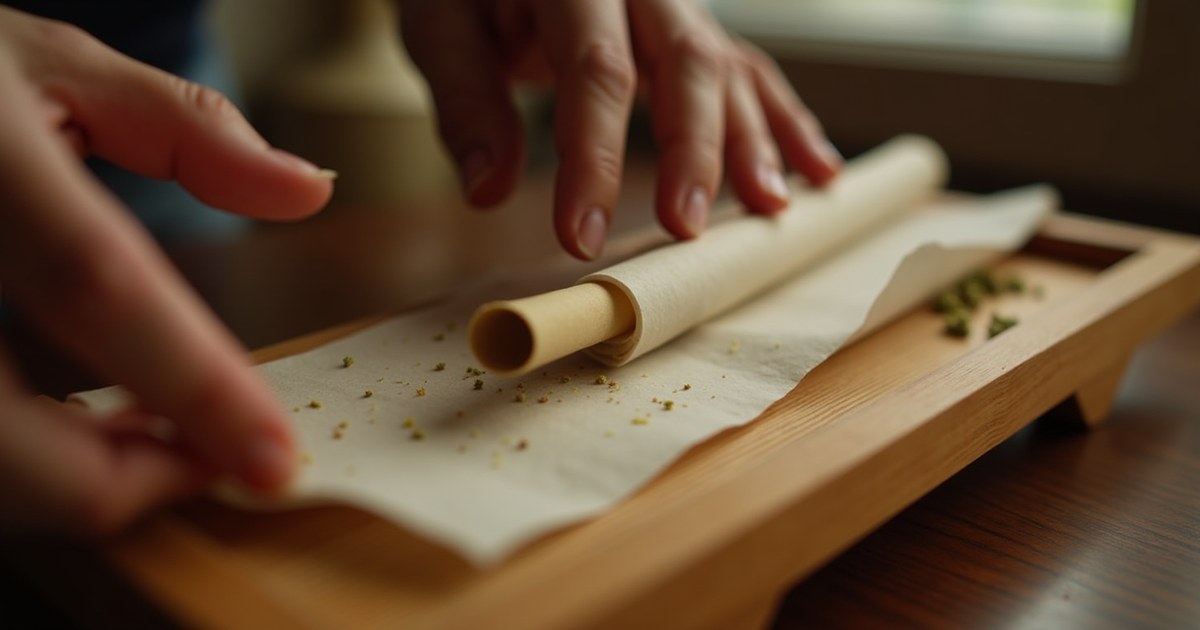
- Load the paper unevenly on purpose. Put less material near the tip end and more toward the base — this is what creates the taper shape as you roll.
- Tuck and roll from the tip. Start shaping the cone at the narrow end first, rolling it between your fingers to compact it slightly before working down toward the base.
- Pack down with a poker or pen. Once rolled, use a thin tool to gently pack material down from the open end, adding a pinch more at the base if needed.
- Twist the tip closed. A tight twist at the narrow end keeps material from spilling and gives you a clean point to light.
- Give it a slow, even light. Rotate the tip while lighting so the whole edge catches at once — this is what prevents the classic uneven “runner” burn.
Common Mistakes That Cause Uneven Burns
- Grinding too coarse or too fine — inconsistent piece sizes burn at different rates side to side.
- Packing one side tighter than the other — even pressure while packing keeps the burn centered.
- Lighting only one edge — always rotate while lighting to catch the whole circumference evenly.
Related Articles
Frequently Asked Questions
Why does my cone always burn on one side?
Usually an uneven grind or uneven packing pressure — make sure the material is ground consistently and packed with even pressure all the way around before sealing.
Is a filter tip necessary for a good cone?
It’s not strictly required, but a filter tip gives the cone a firm base to hold onto and pack against, which often makes the whole roll more structurally stable.
How tight should I pack the base?
Firm enough that it holds its shape, but not so tight that airflow is restricted — a cone that’s too dense will draw poorly even if it looks perfect.
Is it easier to buy pre-made cones instead?
Pre-rolled cones remove the shaping step entirely and are a good option if you want consistency without practicing the technique — see our comparison of pre-rolled cones vs rolling your own.
Final Thoughts
A perfect cone comes down to two things: an even grind, and even pressure while packing and lighting. Practice the taper a few times and it becomes muscle memory quickly.
Shop Rolling Papers & Wraps at The Smokery Hub
Rolling papers, filter tips, and accessories in stock now.
Prices listed are approximate and may vary by retailer. Always check current pricing before purchasing.
cone rolling technique, how to roll a cone shaped joint, how to roll a perfect cone, why does my cone burn unevenly