
- Your cart is empty
- Continue Shopping
Hemp Rolling Papers vs Rice Rolling Papers — Which Should You Use?
- Posted on
-
Posted by: Blaze Jax
- 0 comments
- Categories: Rolling Papers
Affiliate Disclosure: This post contains affiliate links. If you buy through our links we may earn a small commission at no extra cost to you.
Quick Answer
Hemp papers are thicker, more forgiving for beginners, and have a mild earthy flavour. Rice papers are ultra-thin, burn slower, and have the most neutral taste of any paper material. Beginners should start with hemp; experienced rollers who want the purest smoke prefer rice.
The two most common natural rolling paper materials are hemp and rice, and the choice between them comes down to three factors: rolling difficulty, burn rate, and taste. This comparison covers each factor honestly so you can choose the right material for how you smoke.
What Are Hemp Rolling Papers?
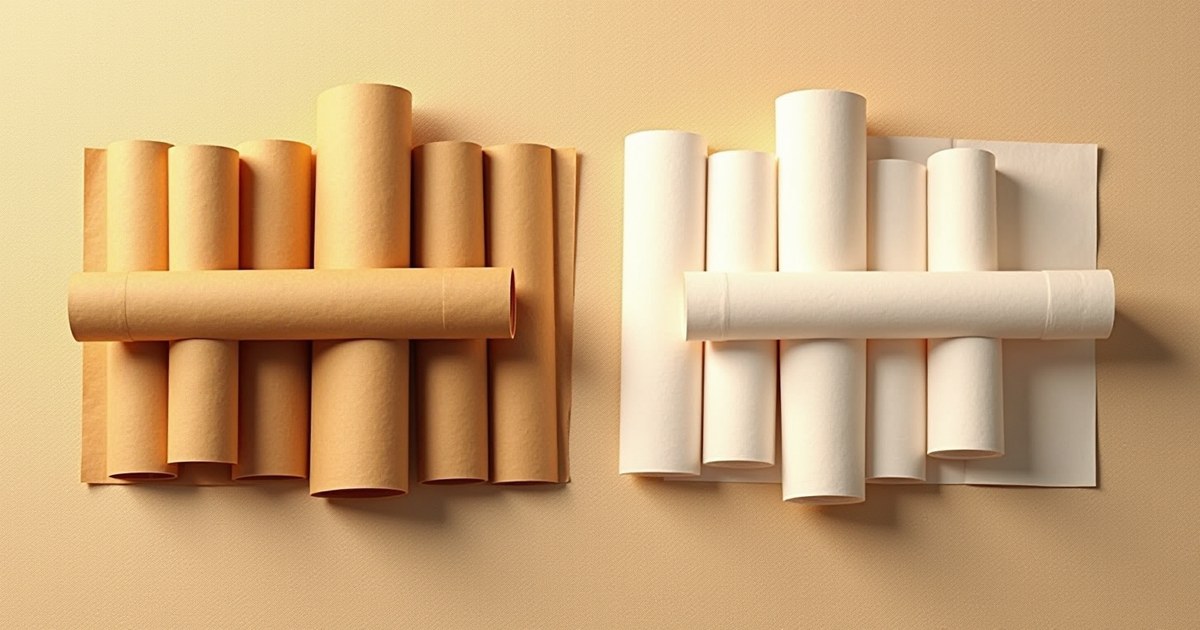
Hemp rolling papers are made from the fibres of the hemp plant. They are unbleached (natural brown), slightly thicker than rice papers, and have a light earthy flavour from the plant fibre. Popular hemp paper brands include RAW Organic Hemp and VIBES Hemp.
Key characteristics: Natural brown colour · Medium thickness — easier to roll than ultra-thin papers · Mild earthy flavour · More moisture-resistant than rice · Burns at a medium pace
Hemp papers in stock at The Smokery Hub: Alien Puff GO Green (organic hemp) → · Alien Puff Green (3-in-1 with tips) →
What Are Rice Rolling Papers?
Rice rolling papers are made from processed rice paper — a thin, near-translucent sheet. The resulting paper is significantly thinner than hemp and nearly white. Popular rice paper brands include OCB X-Pert and Bambu. Rice papers have the most neutral flavour of any natural paper — essentially tasteless when used correctly.
Key characteristics: White or near-transparent colour · Ultra-thin — requires more rolling skill · Near-neutral taste · Burns very slowly · More moisture-sensitive in humid environments
Head-to-Head Comparison
Thickness — Winner: Hemp (for ease); Rice (for thinness)
Hemp papers are medium-thin and forgiving when rolling — they don’t tear as easily as rice papers under pressure. Rice papers (especially OCB X-Pert) are ultra-thin, thin enough to partially see through, and require a confident, controlled rolling technique.
Burn Rate — Winner: Rice
Rice papers burn noticeably slower than hemp. Less paper mass means less combustion per unit length — a rice paper roll lasts measurably longer than an equivalent hemp paper roll. A real advantage for group sessions or anyone who wants to savour a slower burn.
Taste — Winner: Rice (neutral); Hemp (if you want character)
Rice papers have near-zero flavour impact — letting the contents come through without interference. Hemp papers have a mild earthy, plant-fibre undertone. For taste-focused smokers, rice is the cleaner choice. For those who don’t mind (or enjoy) a light natural note, hemp is perfectly pleasant.
Rolling Difficulty — Winner: Hemp
Hemp papers are more forgiving in every way — thicker body means more room to adjust your grip, and the paper holds its shape during rolling without tearing. Rice papers are for intermediate to advanced rollers. If you’re learning, start with hemp.
Humidity Resistance — Winner: Hemp
Hemp papers hold up better in high humidity — the thicker fibre structure doesn’t become tacky or limp as easily. Rice papers are sensitive to moisture and can become difficult to work with in tropical or coastal environments. A real practical consideration for smokers in humid climates.
Price — Tie
Both materials are priced similarly — typically $2–4 per booklet for quality brands. Neither is meaningfully more expensive at equivalent quality.
Full Comparison Table
| Feature | Hemp Papers | Rice Papers |
|---|---|---|
| Colour | Natural brown | White / translucent |
| Thickness | Medium-thin | Ultra-thin |
| Burn rate | Medium-slow | Very slow |
| Taste impact | Light earthy | Near neutral |
| Rolling difficulty | Beginner-friendly | Intermediate+ |
| Humidity resistance | Good | Sensitive |
| Price | ~$2–4 per booklet | ~$2–4 per booklet |
| Best brands | RAW Organic Hemp, VIBES | OCB X-Pert, Bambu |
Which Should You Choose?
Choose hemp papers if: You’re learning to roll · You roll in a humid environment · You don’t mind a mild earthy flavour · You want all-natural, certified organic materials.
Choose rice papers if: You’re an experienced roller · You want the purest, most flavour-neutral smoke · You want the slowest possible burn · You’re in a dry environment where humidity isn’t a concern.
Related Articles
Frequently Asked Questions
Are hemp papers healthier than rice papers?
Both are natural, unbleached options that avoid chlorine-bleaching. Neither contains tobacco. Hemp papers have a slightly earthier taste profile; rice papers are more neutral. Neither is clearly “healthier” than the other — they’re both among the cleanest paper options available.
Can beginners use rice papers?
Beginners can use rice papers but will find them more challenging. The ultra-thin paper tears more easily and the gum strip is less forgiving. Starting with hemp papers (or medium-thickness papers like RAW Classic) is strongly recommended before moving to rice.
Do hemp papers burn evenly?
Yes — quality hemp papers like RAW Organic Hemp burn very evenly. The RAW brand specifically uses a criss-cross watermark pattern on their papers that helps prevent hot spots and runs during the burn.
Which is better for flavour — hemp or rice?
Rice papers have less flavour impact than hemp. If you want to taste only what’s inside the roll without any paper flavour, rice (specifically OCB X-Pert or Bambu) is the better choice.
Final Thoughts
For most smokers, hemp papers are the better starting point — they’re forgiving, natural, and produce a consistent burn without requiring expert technique. Once you’re comfortable rolling and want to elevate the experience, rice papers offer a slower burn and cleaner flavour that experienced smokers consistently prefer. Start with RAW Organic Hemp, and when you’re ready for the next level, try OCB X-Pert.
Prefer hemp? Browse: Alien Puff Green 1¼ (25 booklets) at The Smokery Hub →
Browse Hemp, Rice and More
Our rolling papers range covers hemp, rice, cellulose, and flavoured options — all in one place.
Prices listed are approximate and may vary by retailer. Always check current pricing before purchasing. The Smokery Hub is not responsible for third-party product availability or pricing changes.
best rolling paper material 2026, hemp paper vs rice paper for rolling, hemp rolling papers vs rice rolling papers, rice papers vs hemp papers taste difference, which rolling paper burns better