
- Your cart is empty
- Continue Shopping
How to Roll a Blunt: Step-by-Step Guide for Beginners (Backwoods, White Owl & Leaf Wraps)
- Posted on
-
Posted by: Blaze Jax
- 0 comments
- Categories: How-To Guides
Affiliate Disclosure: This post contains affiliate links. If you buy through our links we may earn a small commission at no extra cost to you.
Quick Answer
To roll a blunt: grind your filling, prepare the wrap by splitting and emptying it (or unrolling a leaf), keep the wrap slightly pliable, fill it evenly, tuck the edge, roll away from you, then seal with a thin line of moisture and let it dry for a minute. A good wrap and an even fill matter more than technique.
A blunt is just a cigar-style wrap rolled around your filling of choice, and it is harder than rolling with papers for one simple reason: the wrap is thick, natural and unforgiving. It tears when it is dry, goes soggy when it is wet, and burns unevenly if the fill is lumpy. The good news is that the technique is learnable in a handful of tries, and almost every problem comes down to moisture and packing. This guide walks through the whole process, using popular options like Backwoods, White Owl and whole leaf wraps. It is written for adults of legal smoking age.
What You Need Before You Start
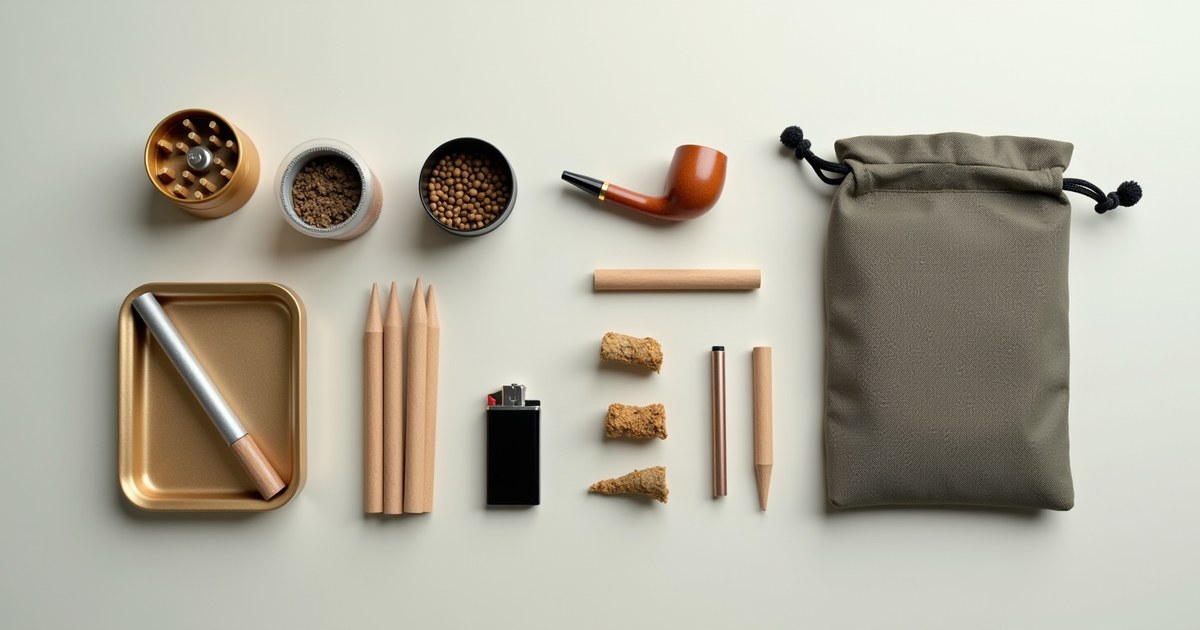
- A wrap: a cigar-style wrap such as a Backwoods or White Owl, or a whole leaf wrap
- A grinder: evenly ground filling rolls and burns far better than chunks. See our complete guide to herb grinders if you need one
- A rolling tray: it catches spills and gives you a flat, clean surface
- A lighter: a windproof lighter makes a thick wrap much easier to light evenly
- Optional: a small blade or a fingernail to split the cigar, and a damp cloth or tissue for light moisture
Browse wraps and papers at The Smokery Hub →
How to Roll a Blunt Step by Step
- Grind your filling. Aim for a fluffy, even texture, not powder. Fine powder burns hot and fast; big chunks leave air gaps.
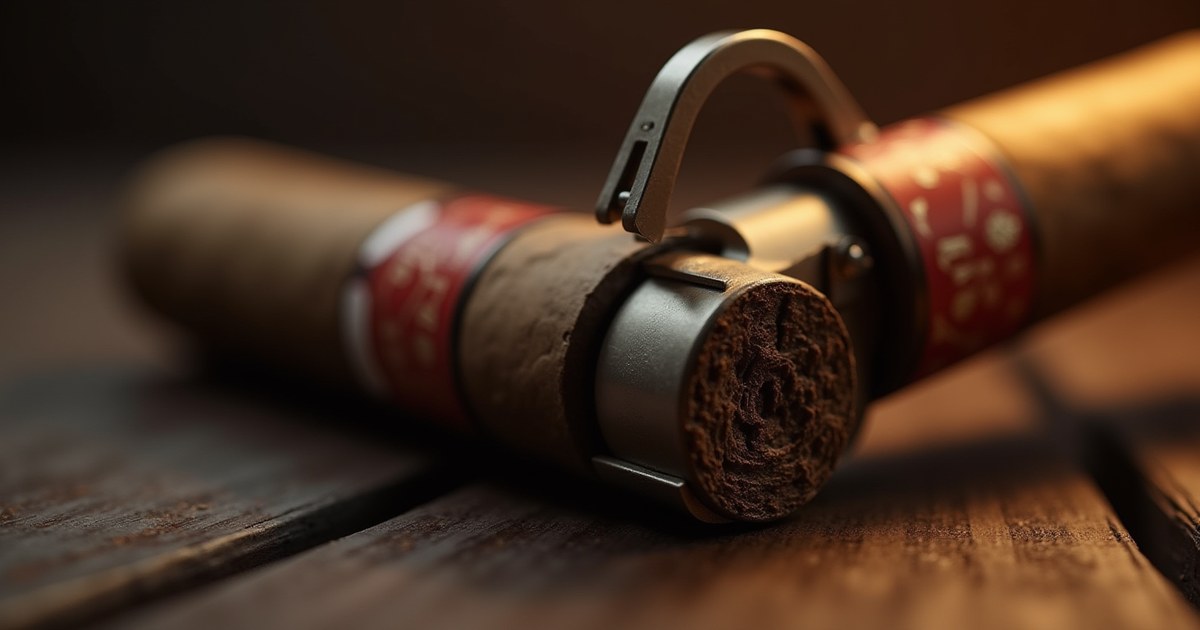
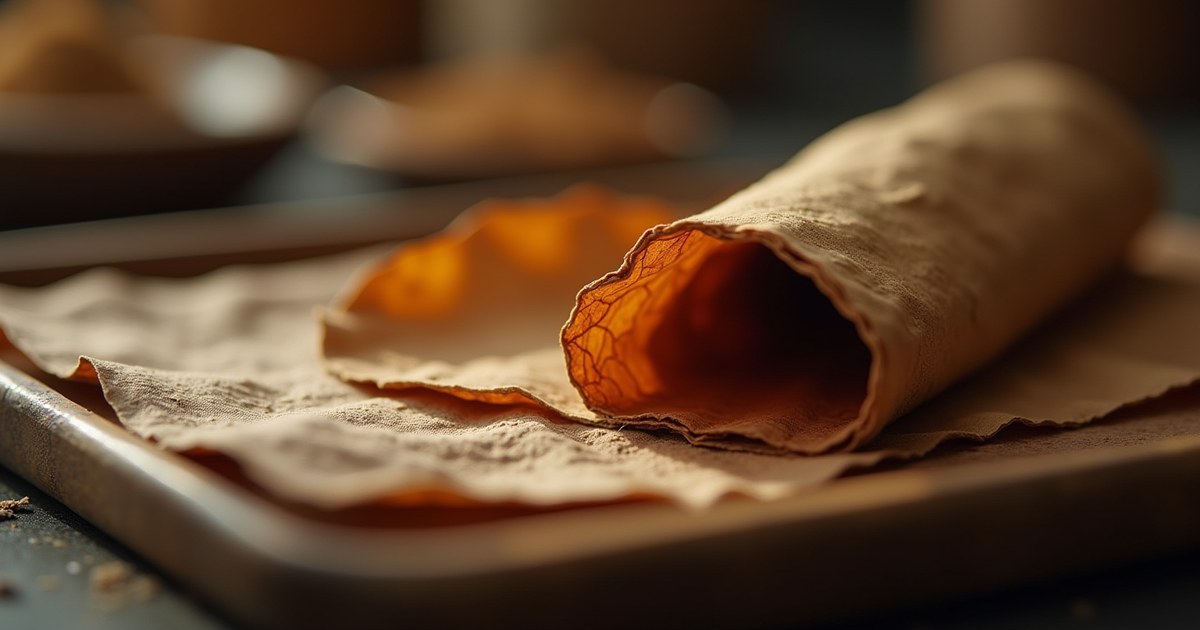
- Prepare the wrap. For a cigar-style wrap, slit it lengthwise with a blade or a fingernail, then empty out the contents and keep the outer leaf. For a whole leaf, lay it flat and remove the thick centre stem if it has one.
- Check the moisture. The leaf should bend without cracking. If it feels dry and stiff, a tissue dampened and wrung out lightly will bring it back. Do not soak it. If it is already too dry to save, our guide on how to rehydrate dry cigar wraps covers the fixes.
- Fill it evenly. Lay the wrap flat in the tray and spread the filling in a line along the length, slightly thicker in the middle, with a little less at each end. Do not overpack; you want to feel it hold its shape, not bulge.
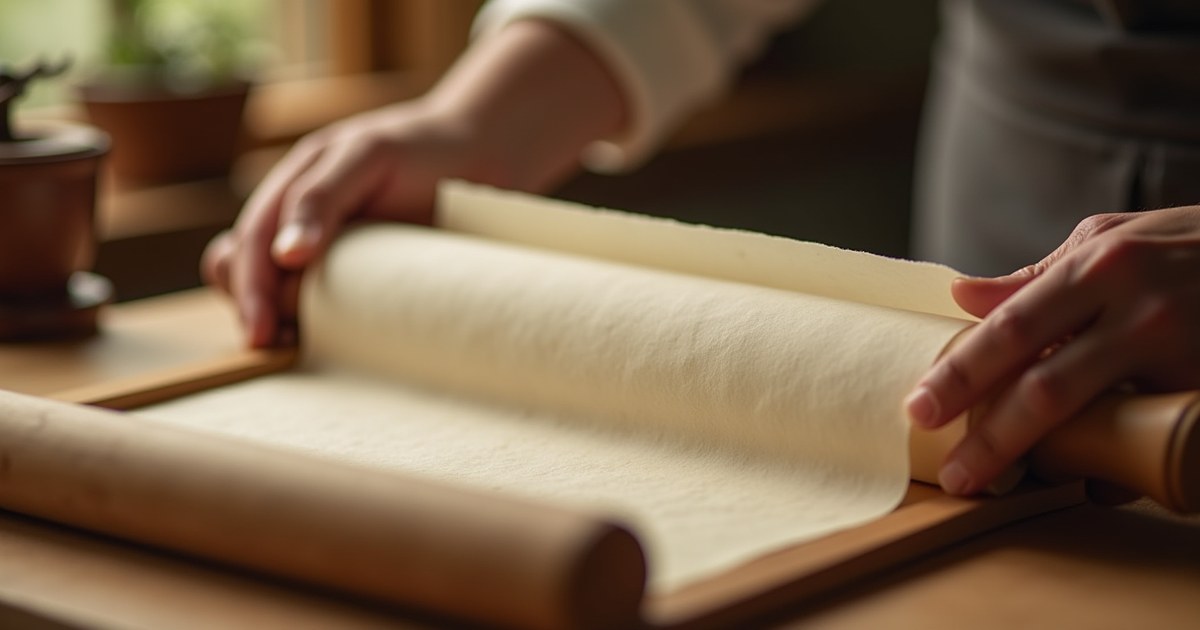
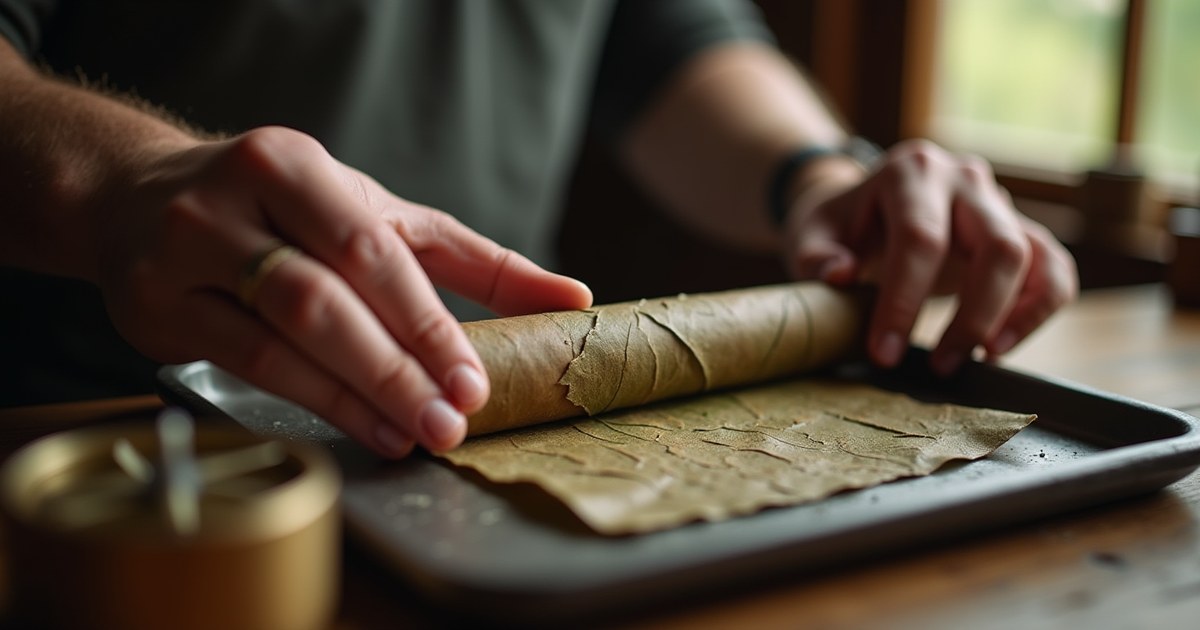
- Shape it. Pinch the wrap closed over the filling and roll it back and forth between your thumbs and fingers, working the filling into an even tube.
- Tuck and roll. Tuck the edge of the wrap that is closest to you under the filling, then roll away from you, keeping steady pressure so the roll stays tight.
- Seal it. Run a thin line of moisture along the open edge of the wrap and finish the roll. Press the seam down gently for a few seconds.
- Let it dry. Give it a minute or two, ideally laid in the tray, so the seam sets and the wrap firms up.
- Light it correctly. Toast the tip and rotate the blunt as you light so the whole end catches and the burn stays even.
Common Mistakes That Ruin a Roll
- Too dry: a stiff wrap cracks as you tuck it. Add moisture before rolling, not after.
- Too wet: an over-wet wrap tears, turns bitter and burns badly. Light dampness is enough.
- Uneven fill: lumps and gaps are the number one cause of “canoeing”, where one side burns far faster than the other.
- Rolling too loose: air gaps make it burn hot and unevenly. Roll with steady, firm pressure.
- Rolling too tight: an overpacked blunt is hard to draw on and will not burn properly.
- Rushing the seal: if the seam is still wet when you light it, it can unravel. Let it set.
Choosing a Wrap
Different wraps behave differently in the hands. Backwoods and similar natural leaf cigars are flexible and forgiving once they are slightly damp. White Owl style wraps are thinner and more uniform. Whole leaf wraps give you the most control but take the most practice. Our Backwoods review, White Owl review and Grabba leaf review go into each in more detail, and cigar wraps vs blunt wraps explains the terminology.
Wrap Types at a Glance
| Wrap Type | Feel | Beginner Friendly? | Best For |
|---|---|---|---|
| Backwoods-style natural leaf cigar | Flexible, slightly rustic | Yes, once slightly damp | A forgiving first try |
| White Owl style blunt | Thinner, more uniform | Yes | Even, predictable rolls |
| Whole leaf wrap | Large, needs stem removal | Takes practice | Maximum control and size |
| Pre-made leaf cones or tubes | Ready to fill | Easiest | Skipping the rolling step |
Related Articles
Frequently Asked Questions
Why does my blunt keep tearing?
Almost always dryness. A wrap that has lost moisture cracks when it is tucked. Add light moisture before you roll and keep the wrap sealed between uses. See our guide to storing cigar wraps so they do not dry out.
Why does my blunt burn on one side only?
This is canoeing, usually caused by an uneven fill or a loose roll. Grind evenly, spread the filling evenly and roll with steady pressure.
How long should I let a blunt dry before lighting?
A minute or two is usually enough for the seam to set. If the wrap is very damp, give it a little longer.
Do I need a rolling machine for blunts?
No, but some people use one for consistency. Our guide to rolling without a machine covers the hand technique, which applies here too.
Final Thoughts
Rolling a blunt comes down to three things: the right moisture, an even fill and steady pressure. Expect your first one or two to be imperfect and your third to be noticeably better. Start with a forgiving natural leaf wrap, keep a damp tissue nearby, and build up to whole leaf once you are comfortable. This guide is for adults of legal smoking age only.
Shop Wraps and Rolling Gear at The Smokery Hub
Wraps, papers, trays and grinders in one place.
Prices listed are approximate and may vary by retailer. Always check current pricing before purchasing.
how to roll a backwoods, how to roll a blunt, how to roll a blunt for beginners, how to roll a blunt step by step, how to roll a white owl