
- Your cart is empty
- Continue Shopping
Gram, Eighth, Quarter, Ounce: A Simple Weight Conversion Chart
- Posted on
-
Posted by: Blaze Jax
- 0 comments
- Categories: Weighing Scales
Affiliate Disclosure: This post contains affiliate links. If you buy through our links we may earn a small commission at no extra cost to you.
Quick Answer
An eighth of an ounce is about 3.5 grams, a quarter is about 7 grams, a half is about 14 grams, and a full ounce is about 28 grams. These are the standard rounded figures; an exact ounce is 28.35 grams. A digital scale is the only reliable way to measure any of them.
Fractions of an ounce are the standard way small quantities of dry herbs, tea, and spices are measured and sold, but the numbers are easy to mix up when you’re used to grams. This chart gives you the standard conversions, explains why they’re rounded, and shows how to check them yourself with a scale.
The Weight Conversion Chart
| Common Name | Fraction of an Ounce | Approx. Grams | Exact Grams |
|---|---|---|---|
| Gram | 1/28 oz | 1 g | 1 g |
| Half gram | 1/56 oz | 0.5 g | 0.5 g |
| Eighth | 1/8 oz | 3.5 g | 3.54 g |
| Quarter | 1/4 oz | 7 g | 7.09 g |
| Half ounce | 1/2 oz | 14 g | 14.17 g |
| Ounce | 1 oz | 28 g | 28.35 g |
The ‘approx.’ column is what you’ll see used in practice, because nobody sells 28.35 grams of anything. The ‘exact’ column is the true conversion.
Why the Numbers Are Rounded
One ounce equals 28.3495 grams. To make everyday measuring simple, the common shorthand rounds this to 28 grams, which makes eighths (3.5 g) and quarters (7 g) tidy numbers. The rounding is small, but it adds up on larger quantities, so if precision matters, weigh in grams rather than trusting the label.
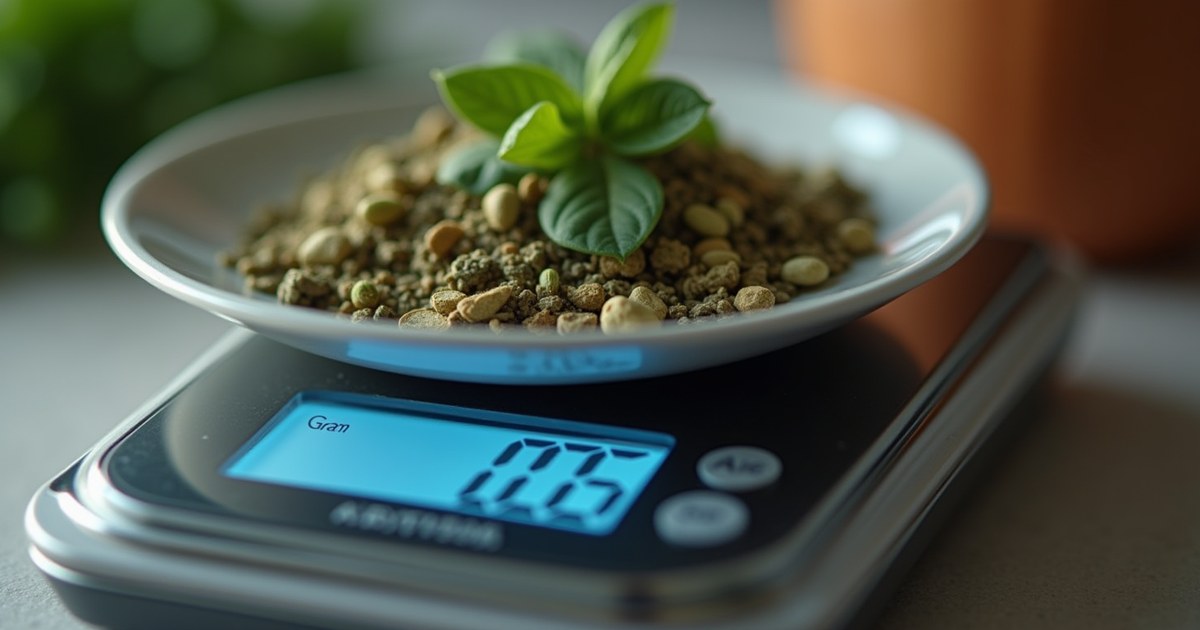
How to Measure Accurately
- Place your scale on a flat, stable surface, away from drafts.
- Turn it on and wait for it to settle at zero.
- Put a small container or tray on the scale, then press tare to zero it.
- Add material slowly until you reach your target weight.
- Read the display only once it stops changing.
If your readings drift or seem off, see our guide to calibrating a digital scale. And if you’re unsure whether you need calibration weights at all, read do you need calibration weights.
Weighing Scale 0.1g–300g at The Smokery Hub →
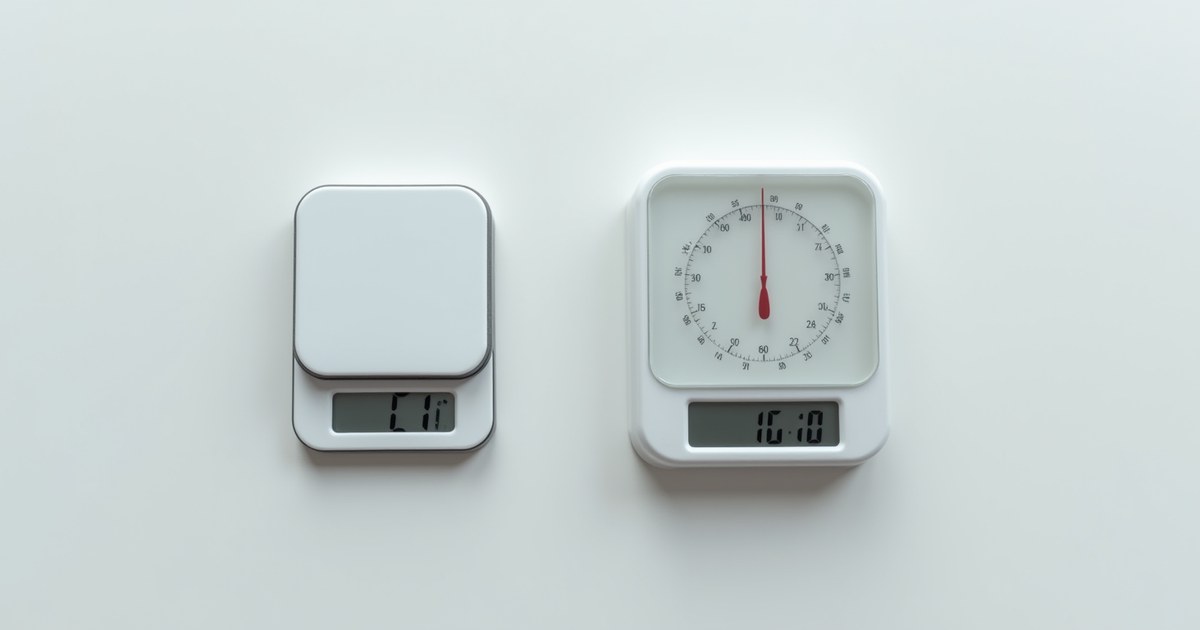
Choosing the Right Scale Resolution
For eighths and larger quantities, a scale that reads to 0.1 g is more than enough. For very small amounts, a 0.01 g scale gives finer detail, but it’s also more sensitive to drafts and vibration. Our milligram vs gram scale guide explains when the extra precision is worth it.
Quick Reference: Grams to Ounces
| Grams | Ounces (approx.) |
|---|---|
| 1 g | 0.035 oz |
| 5 g | 0.18 oz |
| 10 g | 0.35 oz |
| 50 g | 1.76 oz |
| 100 g | 3.53 oz |
To convert grams to ounces, divide by 28.35. To convert ounces to grams, multiply by 28.35.
Choosing a Scale for Travel
If you weigh on the move, a compact pocket scale is far more practical than a countertop model. See our roundup of the best pocket scales for travel.
Related Articles
Frequently Asked Questions
How many grams are in an eighth?
About 3.5 grams; the exact figure is 3.54 grams.
How many grams are in an ounce?
The common shorthand is 28 grams. The exact conversion is 28.35 grams.
Why do some scales show a slightly different number?
Small differences come from calibration, rounding, or settling time. Let the reading stabilise and recalibrate if needed.
Do I need a scale to measure these?
Yes. Volume estimates are unreliable because density varies, so a scale is the only accurate way.
Final Thoughts
Memorise the four anchor numbers — 3.5, 7, 14, and 28 — and you can convert any common fraction. For anything that needs to be exact, trust a calibrated scale rather than the label.
Get an Accurate Scale at The Smokery Hub
Reliable digital scales for precise measuring.
Prices listed are approximate and may vary by retailer. Always check current pricing before purchasing.
gram eighth quarter ounce weight chart, how many grams in an eighth, how many grams in an ounce, ounce to gram conversion chart