
- Your cart is empty
- Continue Shopping
Best Pocket Scale for Travel in 2026
- Posted on
-
Posted by: Blaze Jax
- 0 comments
- Categories: Weighing Scales
Affiliate Disclosure: This post contains affiliate links. If you buy through our links we may earn a small commission at no extra cost to you.
Quick Answer
For travel, prioritize a scale under 10cm with a protective flip cover, 0.01g precision, and auto-off to save battery. Avoid glass-plate scales for travel — a durable plastic or metal plate handles bag jostling far better.
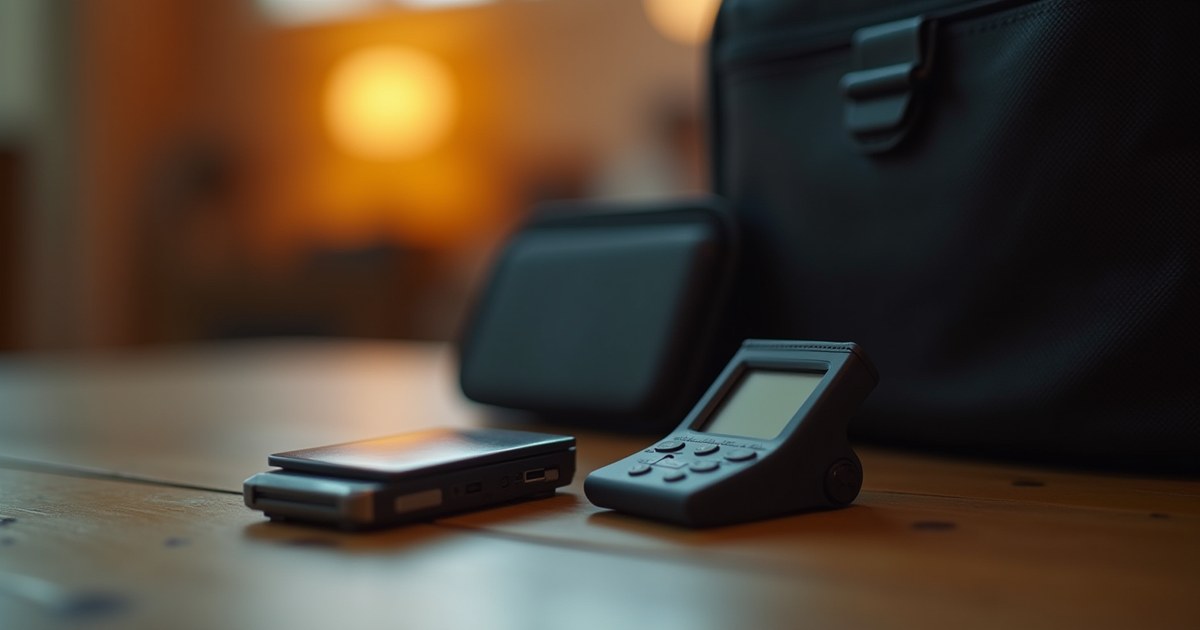
A scale that’s perfect for a desk isn’t always right for a bag. Travel scales need to survive drops, temperature swings, and being crammed next to other gear, without losing accuracy.
What Changes When a Scale Travels
A flip-top cover that doubles as the weighing tray is the single most useful travel feature — it protects the sensor pad when not in use and means one less loose part to lose. Size matters too: anything longer than 10-12cm starts to feel bulky in a bag pocket.
Precision Still Matters
Don’t sacrifice accuracy for size. A 0.01g scale gives you the same precision as a desk model, just in a smaller housing — there’s no real trade-off here if you pick the right unit.
Battery Life on the Go
Auto-off after a short idle period saves battery when you’re not near a charger. The Weighing Scale 0.1g–300g offers a practical range and precision for everyday portable use.
Weighing Scale 0.1g–300g at The Smokery Hub →
Calibration While Traveling
Temperature and altitude changes can drift a scale’s calibration slightly. If accuracy matters for your use, carry a small calibration weight, or re-zero the scale on a flat, stable surface before each use.
Travel Scale Checklist
| Feature | Why It Matters |
|---|---|
| Flip cover | Protects sensor, doubles as tray |
| Compact size (<12cm) | Fits in bag pockets |
| 0.01g precision | No accuracy trade-off for size |
| Auto-off | Saves battery between uses |
Related Articles
Frequently Asked Questions
Do TSA rules affect traveling with a digital scale?
A scale itself isn’t restricted, but check current regulations for your specific route since rules vary by country and carrier.
How do I protect a scale from bag damage?
A flip-cover model or a padded pouch prevents the sensor plate from getting scratched or knocked out of alignment.
Does temperature affect scale accuracy?
Yes — extreme heat or cold can cause minor drift, so let the scale acclimate to room temperature before use if it’s been in a cold bag or car.
How often should a travel scale be recalibrated?
Check calibration every few weeks of regular travel use, or any time readings seem inconsistent.
Final Thoughts
A good travel scale is really about durability and battery efficiency more than raw features — a protective cover and auto-off will matter more day-to-day than anything else on the spec sheet.
Prices listed are approximate and may vary by retailer. Always check current pricing before purchasing.
best pocket scale for travel, portable digital scale, small digital scale for herbs, travel-friendly herb scale