
- Your cart is empty
- Continue Shopping
Best Bong for Beginners in 2026: What to Look For Before You Buy
- Posted on
-
Posted by: Blaze Jax
- 0 comments
- Categories: Bongs

Affiliate Disclosure: This post contains affiliate links. If you buy through our links we may earn a small commission at no extra cost to you.
Quick Answer
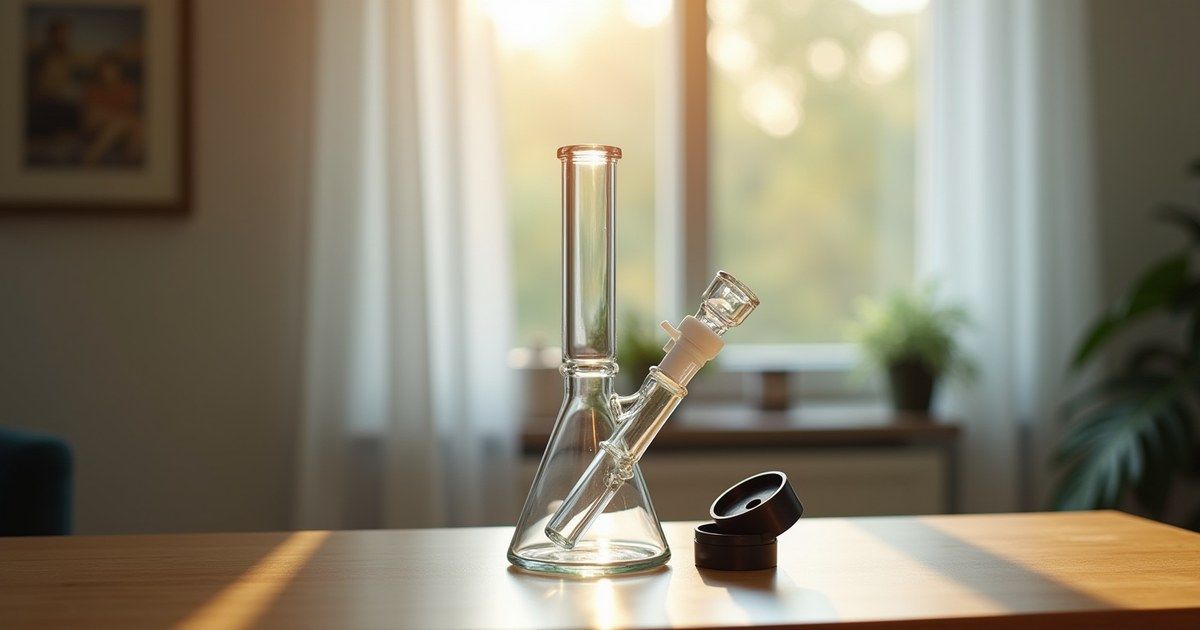
A good beginner bong is simple: a straight or beaker-shaped glass tube with a single percolator (or none at all), a wide stable base, and a size you can actually clean. Skip the multi-chamber showpieces until you know what you like.
Bongs get more intimidating than they need to be. Walk into any smoke shop and you’ll see towering multi-percolator setups that look more like lab equipment than something you’d actually use daily. For a first bong, none of that matters — what matters is stability, ease of cleaning, and a smooth draw. This guide breaks down exactly what to look for and why.
Glass vs Acrylic: Which Should You Start With?
Glass is the standard for a reason — it doesn’t affect flavor, it’s easy to see resin buildup (so you know when to clean it), and a decent piece looks and feels good. The downside is fragility, which matters if you’re clumsy or have kids/roommates around.
Acrylic is virtually indestructible and much cheaper, which makes it a fine “learn on this first” option — but it can affect taste over time and scratches make it look worn fast.
Our take: unless durability is your #1 concern, start with glass. A simple, thick-walled glass piece will outlast a cheap acrylic one in actual daily use, and it’s the format you’ll likely upgrade to eventually anyway — so you may as well start there.
What Actually Matters for a First Bong
1. A Wide, Stable Base
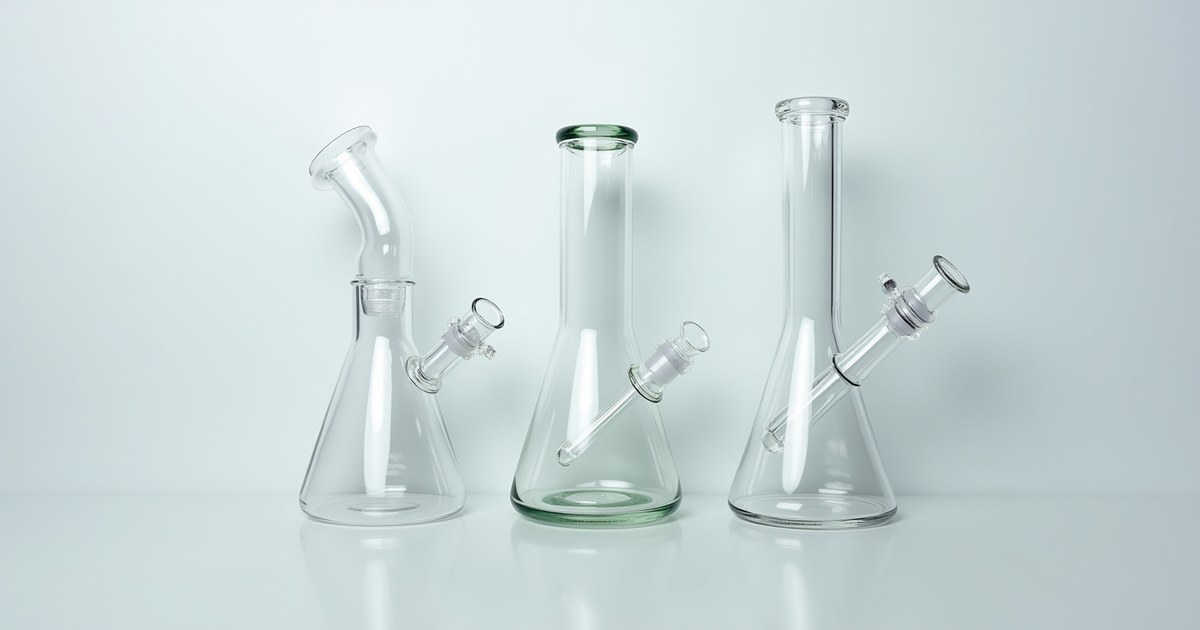
Beaker-shaped bases (wider at the bottom, tapering up) are far more stable than straight-tube designs. This alone prevents most first-bong accidents.
2. Skip the Percolators (Or Keep It to One)
Percolators diffuse smoke through water for a smoother hit, but every extra percolator is another surface to clean and another point of fragility. A basic diffused downstem or a single honeycomb/tree perc is plenty for a beginner — save the multi-perc showpieces for later.
3. Size: Smaller Is More Forgiving
A compact bong (under 40cm) is easier to clean, easier to store, and easier to fill correctly. Oversized bongs need more water, more cleaning solution, and are more awkward to handle — not ideal while you’re still learning technique.
4. Joint Size Compatibility
Most bongs use a standard 14mm or 18mm joint for the downstem and bowl. If you ever want to swap parts later, stick to one of these two standard sizes rather than an odd proprietary fit.
A Beginner-Friendly Pick
If you want a straightforward, no-frills option to start with, The Smokery Hub carries the Glassic S-Bend Bong (50cm) — a simple curved-neck glass design without unnecessary complexity, priced around $20.
Glassic S-Bend Bong 50cm (~$20) at The Smokery Hub →
It’s a good example of what a first bong should be: functional, easy to clean, and not something you’ll be afraid to actually use.
Quick Comparison Table
| Feature | Beginner-Friendly Choice | Why |
|---|---|---|
| Material | Glass | No flavor impact, easy to inspect for cleaning |
| Base shape | Beaker (wide base) | More stable, harder to tip over |
| Percolators | 0–1 | Easier to clean, less fragile |
| Height | Under 40–50cm | Easier to handle and store |
| Joint size | 14mm or 18mm standard | Compatible with replacement parts later |
Related Articles
Frequently Asked Questions
Is glass or acrylic better for a first bong?
Glass, unless durability is your top priority — it doesn’t affect flavor and it’s easier to tell when it needs cleaning.
Do I need a percolator?
No. A single percolator or none at all is fine for beginners. More percolators mean smoother hits but also more cleaning and more fragile parts.
What size bong should a beginner buy?
Something under 40–50cm. It’s easier to fill, clean, store, and handle while you’re still learning.
How often does a bong need cleaning?
After every few uses, or whenever the water looks cloudy or discolored. See our full cleaning guide linked above.
Final Thoughts
The best first bong isn’t the flashiest one — it’s the one you’ll actually clean and use without stress. Start simple: glass, wide base, minimal percolation, standard joint size. You can always upgrade to something more elaborate once you know exactly what you like.
Prices listed are approximate and may vary by retailer. Always check current pricing before purchasing.