
- Your cart is empty
- Continue Shopping
Best Pipes for Beginners in 2026: Wood, Metal, and Glass Compared
- Posted on
-
Posted by: Blaze Jax
- 0 comments
- Categories: Pipes
Affiliate Disclosure: This post may contain affiliate links. We may earn a small commission if you purchase through our links.
Quick Answer
Metal pipes are the most durable and beginner-proof (nearly impossible to break), wood pipes offer the classic look and a milder flavor at a similar price, and glass pipes taste the cleanest but require the most care. For a true first pipe, a metal or wood option under $10 is the safest starting point.
Picking a first pipe comes down to one real tradeoff: durability versus flavor. Metal and wood pipes can survive a drop; glass can’t, but it tastes cleaner. This guide breaks down each material so you can pick the one that matches how careful (or not) you’re likely to be with it.
Metal Pipes: The Beginner-Proof Choice
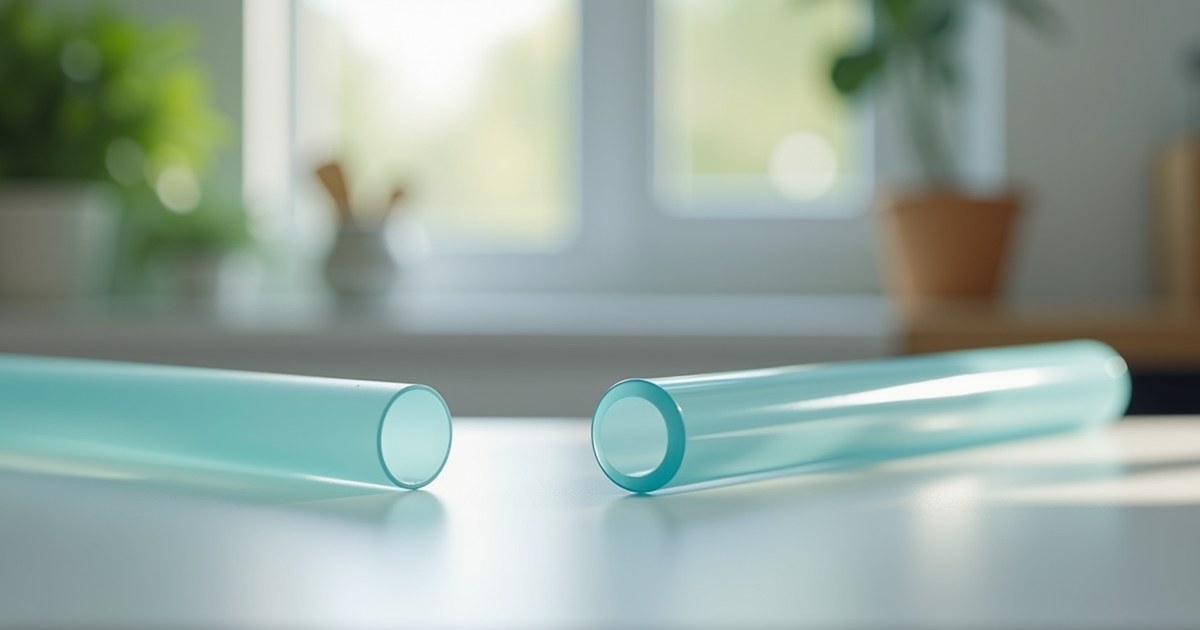
Metal pipes are close to indestructible — drop one on a hard floor and it’ll survive without a scratch, which makes it the safest choice if this is your very first pipe. They’re compact, inexpensive, and easy to clean with a pipe cleaner or a quick alcohol soak.
Downside: metal can affect flavor slightly, giving hits a faint metallic edge some people notice more than others, and metal heats up faster than wood or glass with heavy use.
Best for: anyone who wants a low-stakes, low-cost first pipe that can take a beating.
Metal Pipe 12.7cm (~$8) at The Smokery Hub →
Wood Pipes: Classic Look, Milder Hit
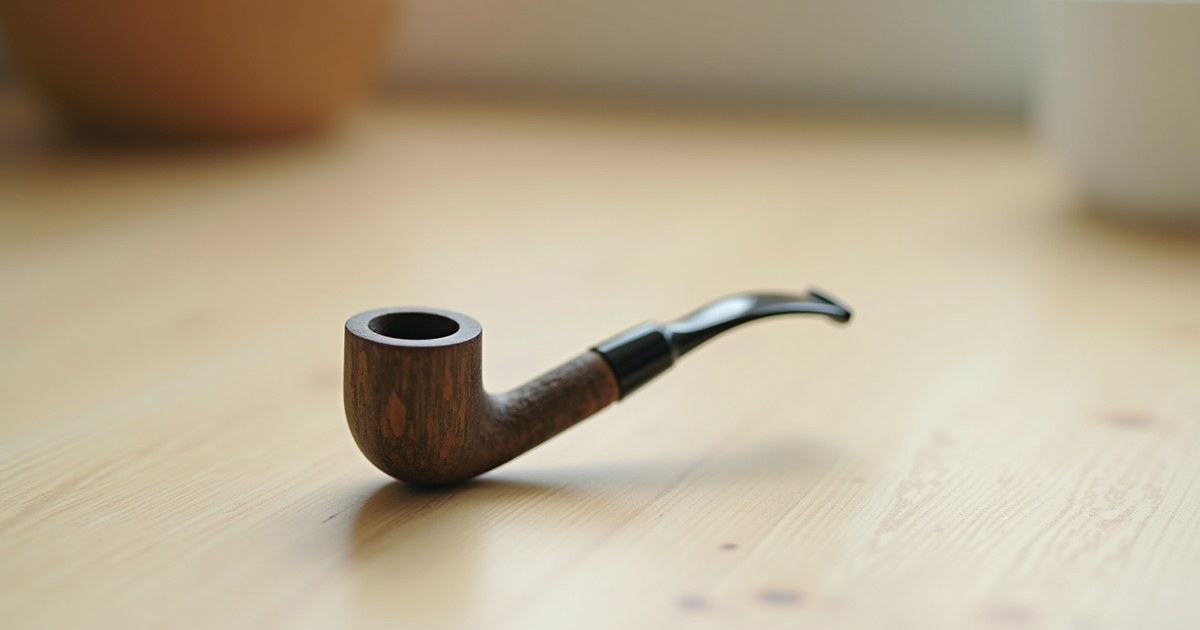
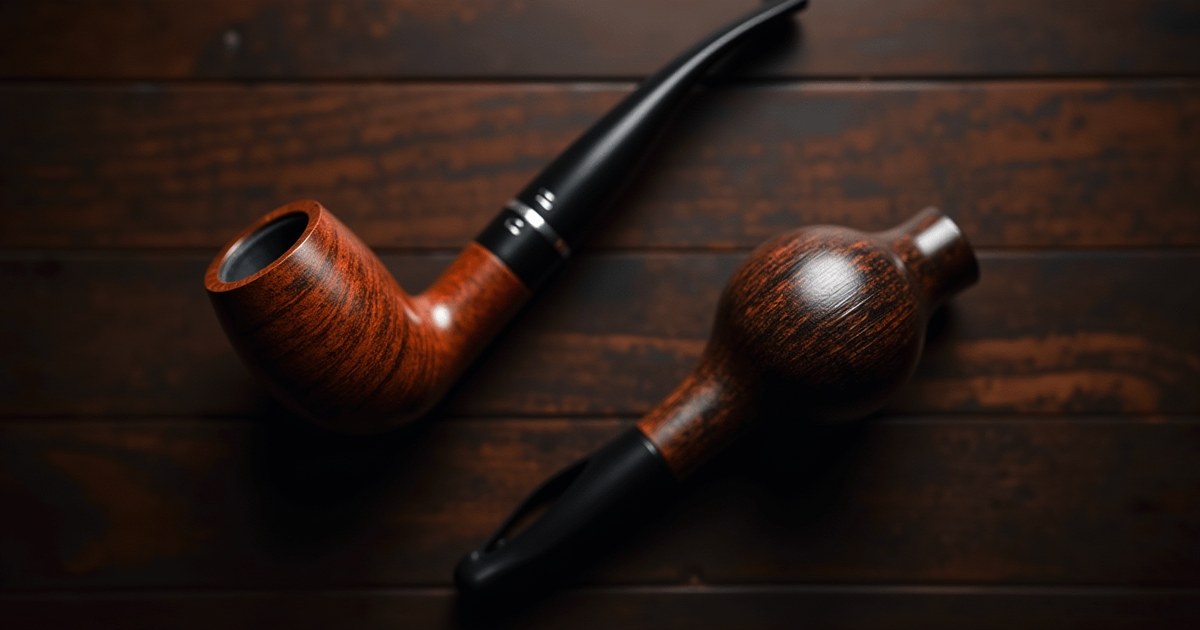
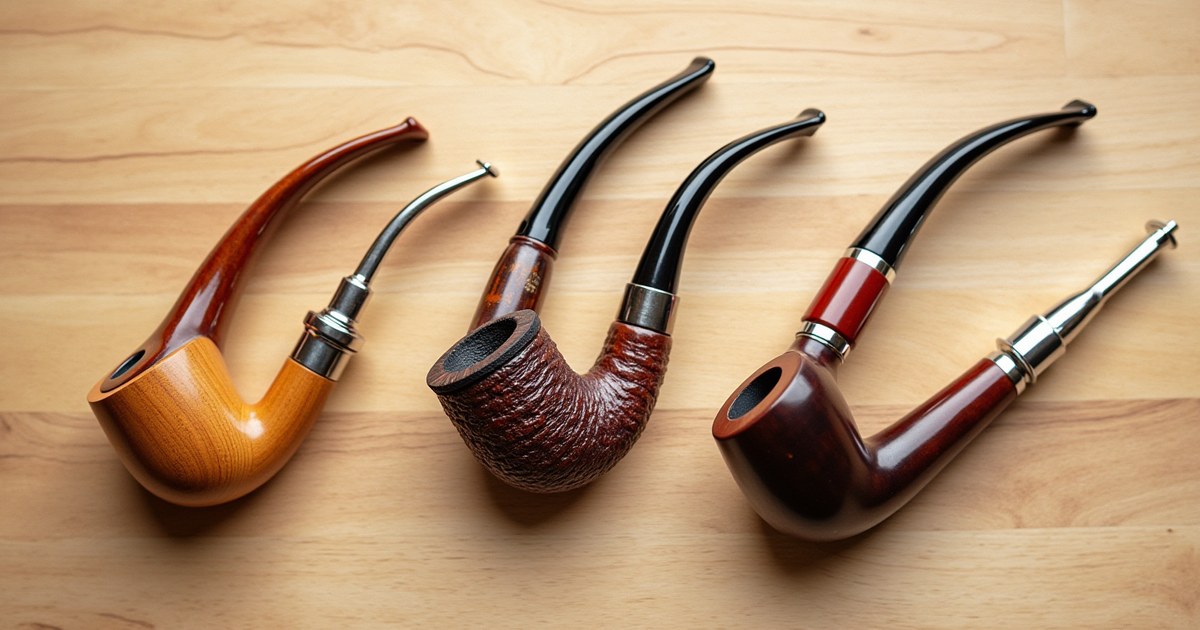
A briar wood pipe is the traditional option — it looks the part, and briar specifically resists heat and char better than most other woods, so it holds up well over time. Wood also tends to give a slightly milder, less harsh hit compared to metal.
Downside: wood pipes need to stay dry (moisture can warp or crack the bowl over time) and periodic light sanding or reseasoning keeps them performing well long-term.
Best for: beginners who want a pipe that looks and feels more traditional without stepping up to fragile glass.
Classic Bent Briar Tobacco Pipe (~$8) at The Smokery Hub →
Glass Pipes: Cleanest Taste, Most Fragile
Glass is inert — it doesn’t react with heat the way metal or wood can, which means it delivers the cleanest, truest flavor of the three. It’s also the easiest to see resin buildup on, so you always know when it’s due for a clean.
Downside: it’s glass. One drop on a tile floor and it’s over. Not the pick if you’re rough on gear or plan to travel with it often.
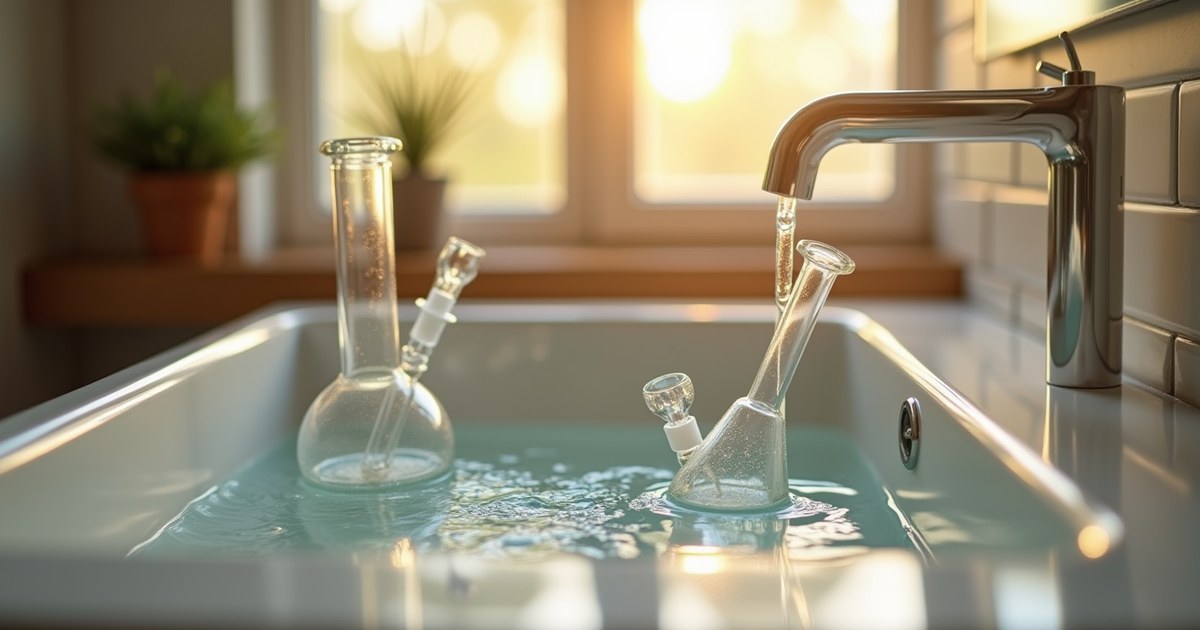
Best for: home use where breakage risk is low and flavor quality matters most. See our full guide to cleaning glass accessories to keep one performing well.
Quick Comparison Table
| Material | Durability | Flavor | Cleaning Effort | Price |
|---|---|---|---|---|
| Metal | Highest | Slight metallic edge | Low | ~$8 |
| Wood (briar) | High | Milder, cleaner | Low–Medium | ~$8 |
| Glass | Low (fragile) | Cleanest | Medium | Varies |
Related Articles
Frequently Asked Questions
Is a metal or wood pipe better for a first-time buyer?
Both are solid, low-risk choices. Metal is marginally tougher; wood gives a slightly milder taste. Either is a safer first pick than glass.
Do metal pipes really taste worse than glass?
The difference is subtle and many people don’t notice it, especially early on. It becomes more apparent once you’ve tried both back to back.
How long does a wood pipe last?
With basic care (keeping it dry, occasional light cleaning) a briar wood pipe can last years — it’s a durable material when maintained properly.
Should my first pipe be small or large?
Small. A compact pipe is easier to pack correctly, easier to clean, and more portable — better for learning the basics before moving to anything larger.
Final Thoughts
There’s no wrong first pipe, but there is a lower-risk one: metal or wood, both around the same low price point, both able to survive the inevitable early fumbles. Save glass for once you’ve got the habit of setting your pipe down carefully rather than tossing it in a bag.
Prices listed are approximate and may vary by retailer. Always check current pricing before purchasing.