
- Your cart is empty
- Continue Shopping
Jet Lighter vs Regular Lighter for Smoking — Which Is Better?
- Posted on
-
Posted by: Blaze Jax
- 0 comments
- Categories: Lighters
Affiliate Disclosure: This post contains affiliate links. If you buy through our links we may earn a small commission at no extra cost to you.
Quick Answer
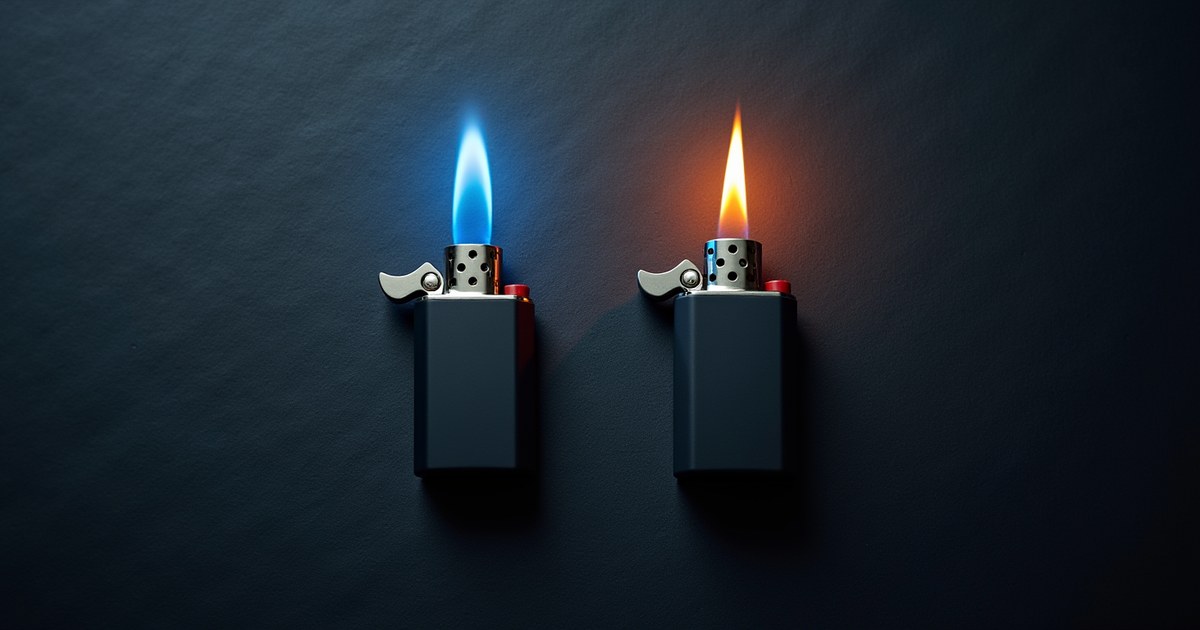
Jet (torch) lighters produce a focused, windproof flame that’s better outdoors and gives a more even burn, but they consume fuel faster, run hotter, and cost more. Regular flame lighters are cheaper, easier to control, and fine for everyday indoor use, but struggle in wind. Choose jet for outdoor or windy conditions; choose regular for everyday indoor convenience and cost.
Not all lighters are interchangeable. A jet (torch) lighter and a standard flick lighter both light things, but the way they burn — and where they perform best — are genuinely different. This comparison breaks down flame type, wind resistance, burn quality, fuel use, cost, and safety so you can pick the right lighter for how and where you actually smoke.
What Is a Jet (Torch) Lighter?
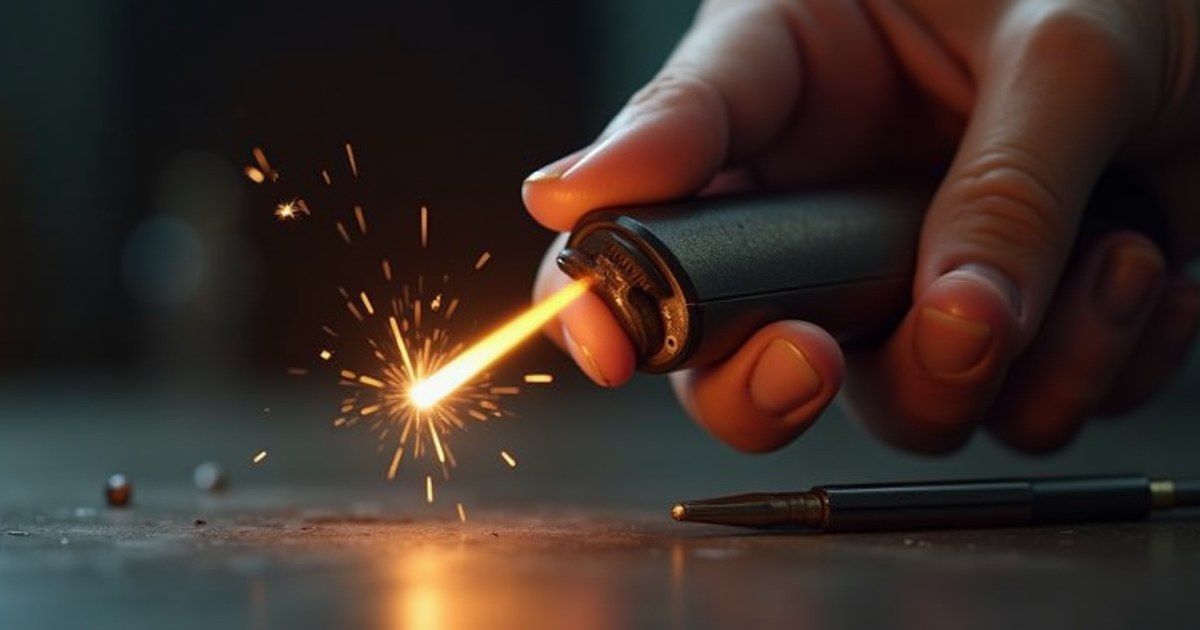
A jet lighter forces butane through a narrow nozzle and ignites it under pressure, producing a focused, blue, jet-engine-style flame rather than a soft flickering one. This pressurized design is what makes jet lighters resistant to wind — the flame doesn’t billow or bend the way an open flame does. Popular jet lighters include the Scorch Torch Dual-Flame and Pyrex Design Jet Lighter.
Key characteristics: Focused, directional blue flame · Highly wind-resistant · Burns hotter than a standard flame · Higher butane consumption per use · Typically refillable, mid-range price
Jet lighters in stock at The Smokery Hub: Scorch Torch Dual-Flame Jet Torch Lighter (~$15) → · Pyrex Design Jet Lighter (~$14) →
What Is a Regular (Flick) Lighter?
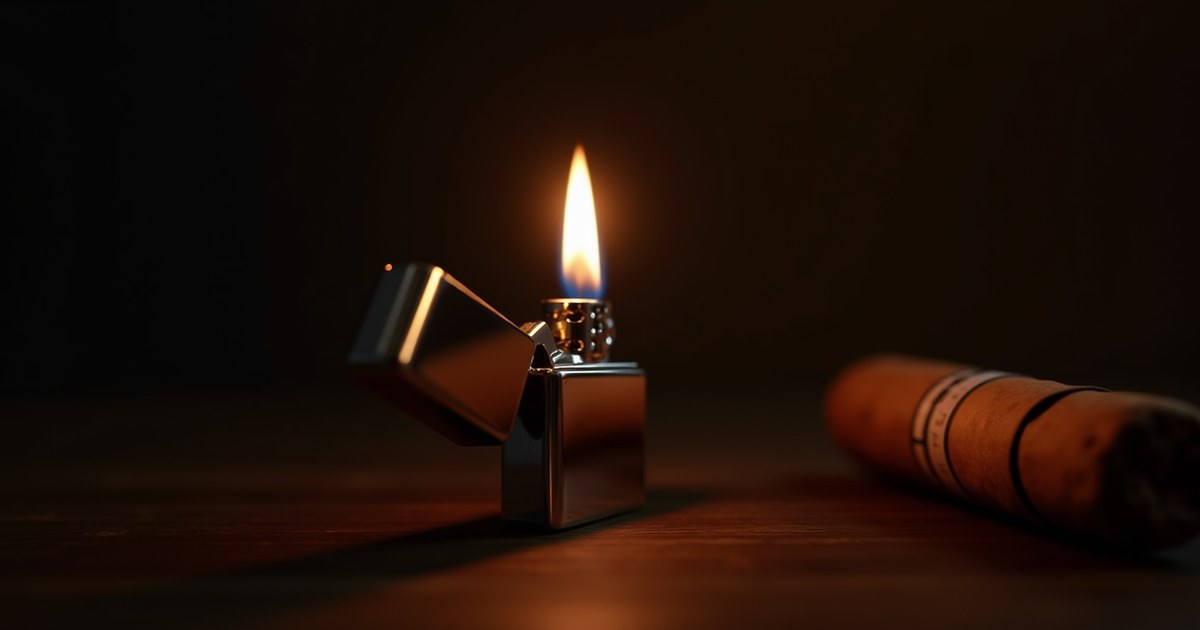
A regular lighter uses an open, soft flame ignited by a flint wheel or piezo spark, fed by a steady (non-pressurized) flow of butane. It’s the classic lighter design most people grew up using — simple, cheap, and easy to operate one-handed. Popular regular lighters include Bic, Clipper, and Zippo (lighter fluid, not butane).
Key characteristics: Soft, flickering yellow-orange flame · Vulnerable to wind and drafts · Burns cooler than a jet flame · Lower fuel consumption per use · Typically very cheap, often refillable
Regular lighter in stock at The Smokery Hub: Clipper Neon Leaves Classic Re-fillable Lighter (~$3) →
Head-to-Head Comparison
Flame Type — Winner: Jet
A jet lighter produces a tight, focused torch flame under pressure — directional and consistent regardless of how you hold it. A regular lighter produces a soft, open flame that flickers and moves with airflow, more variable in shape and size.
Wind Resistance — Winner: Jet (clearly)
This is where jet lighters clearly win. The pressurized flame holds its shape in wind that would snuff out a regular lighter instantly — a major advantage outdoors, on a balcony, or anywhere with a breeze. A regular open flame is easily blown out by even light wind, often requiring you to cup your hands or find shelter to keep it lit.
Even Burn / Charring — Winner: Jet (for thicker material)
The concentrated heat of a jet flame chars material more evenly across a wider surface, which matters more for thicker or denser material that needs consistent heat to catch evenly. A regular lighter’s softer flame is gentler and more forgiving for finer or looser material, but can produce a less even char on denser surfaces.
Fuel Consumption — Winner: Regular
A jet lighter burns through butane noticeably faster because the flame is forced through under pressure, meaning more frequent refills with regular use. A regular lighter sips fuel by comparison and lasts considerably longer per refill or per disposable unit.
Cost — Winner: Regular
Jet lighters are generally more expensive upfront — typically $10–20 for a quality refillable torch lighter like the Scorch Torch or Pyrex Design. Regular lighters are much cheaper — a Clipper-style lighter typically costs $2–5.
Safety — Winner: Regular
A jet flame burns significantly hotter and is harder to see in bright daylight, requiring more care in handling — especially around fingers, hair, or loose fabric. A regular lighter’s cooler, more visible flame is generally easier to handle safely for casual or occasional use.
Full Comparison Table
| Feature | Jet Lighter | Regular Lighter |
|---|---|---|
| Flame type | Focused torch flame | Soft, flickering flame |
| Wind resistance | Excellent | Poor |
| Even burn/charring | Better on thick material | Gentler, less concentrated |
| Fuel consumption | Higher | Lower |
| Cost | ~$10–20 | ~$2–5 |
| Safety | Hotter, needs more care | Cooler, easier to handle |
| Best use case | Outdoor, windy conditions | Everyday indoor use |
Which Should You Choose?
Choose a jet lighter if: You smoke outdoors regularly, especially in wind · You want a more even burn on thicker material · You don’t mind paying more upfront and refilling more often · You’re comfortable handling a hotter, more powerful flame.
Choose a regular lighter if: You mostly smoke indoors or in sheltered spots · You want the cheapest, simplest option · You prefer a cooler, easier-to-control flame · You want a lighter that’s easy to hand to anyone without a learning curve.
Related Articles
Frequently Asked Questions
Is a jet lighter better than a Bic lighter?
It depends on context. A jet lighter is better outdoors or in wind because the flame is pressurized and won’t blow out. A Bic-style regular lighter is cheaper, burns cooler, and is easier to handle for everyday indoor use. Neither is universally “better” — they suit different conditions.
Do jet lighters use more butane than regular lighters?
Yes. The pressurized torch flame in a jet lighter consumes butane faster than the gentler, steady flame of a regular lighter. Expect to refill a jet lighter more frequently with regular use.
What’s the best lighter for outdoor or windy conditions?
A jet (torch) lighter, hands down. The focused, pressurized flame resists wind that would extinguish a regular open-flame lighter almost instantly.
Are jet lighters safe to use?
Yes, with reasonable care. The flame burns hotter and can be harder to see in bright light, so keep it away from fingers, hair, and loose fabric, and avoid prolonged direct contact with skin. Standard precautions apply, just with slightly less margin for error than a regular lighter.
Final Thoughts
Both lighter types do the same basic job, but they’re built for different conditions. If you spend time outdoors or anywhere wind is a factor, a jet lighter like the Scorch Torch Dual-Flame is worth the extra cost and faster fuel use. If you mostly smoke indoors and want something cheap, simple, and easy to hand off to anyone, a regular lighter like the Clipper Neon Leaves Classic is hard to beat. Many people end up keeping one of each.
Shop Our Lighter Range
Jet torch and regular flame lighters — all in stock now at The Smokery Hub.
Prices listed are approximate and may vary by retailer. Always check current pricing before purchasing. The Smokery Hub is not responsible for third-party product availability or pricing changes.
best lighter for outdoor smoking, jet flame lighter benefits, jet lighter vs regular lighter, torch lighter vs bic, windproof torch lighter