
- Your cart is empty
- Continue Shopping
Analog vs Digital Scale — Which Should You Use for Herbs?
- Posted on
-
Posted by: Blaze Jax
- 0 comments
- Categories: Weighing Scales
Affiliate Disclosure: This post contains affiliate links. If you buy through our links we may earn a small commission at no extra cost to you.
Quick Answer
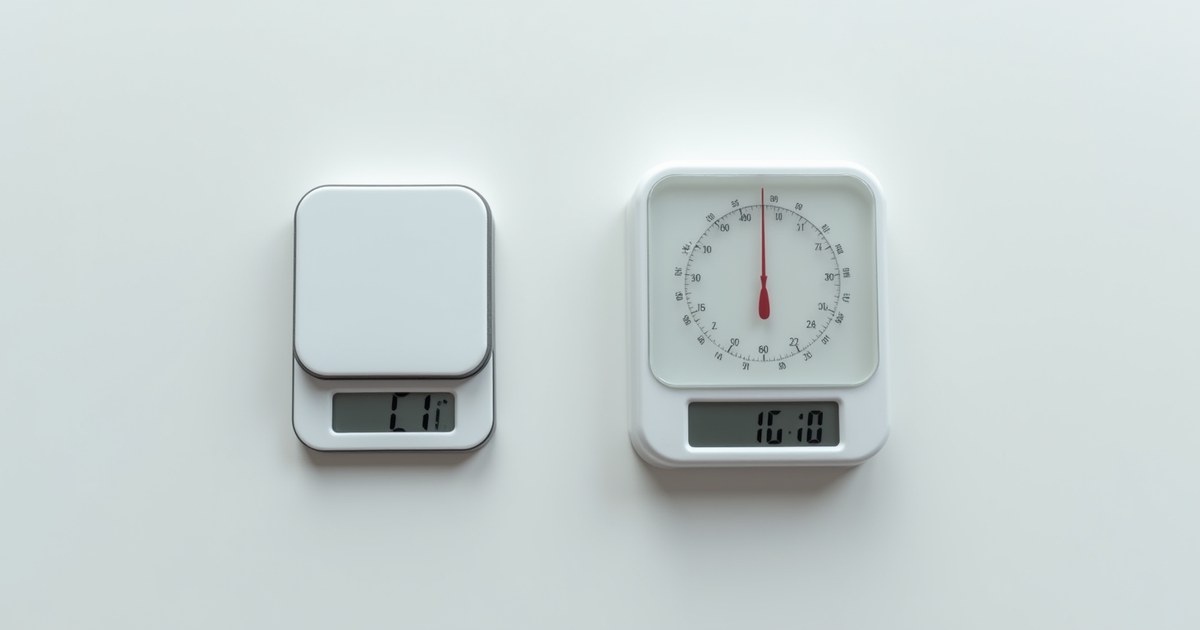
A digital scale is faster, more precise at small weights, and easier to read — it’s the better choice for almost everyone. An analog balance scale doesn’t need batteries and can’t drift out of calibration electronically, but it’s slower and harder to read accurately at low weights.
If you’re weighing small amounts of herbs at home, the scale type you pick matters more than the price tag. Here’s the honest difference between analog and digital, and which one actually makes sense for everyday use.
Digital Scales: Pros and Cons
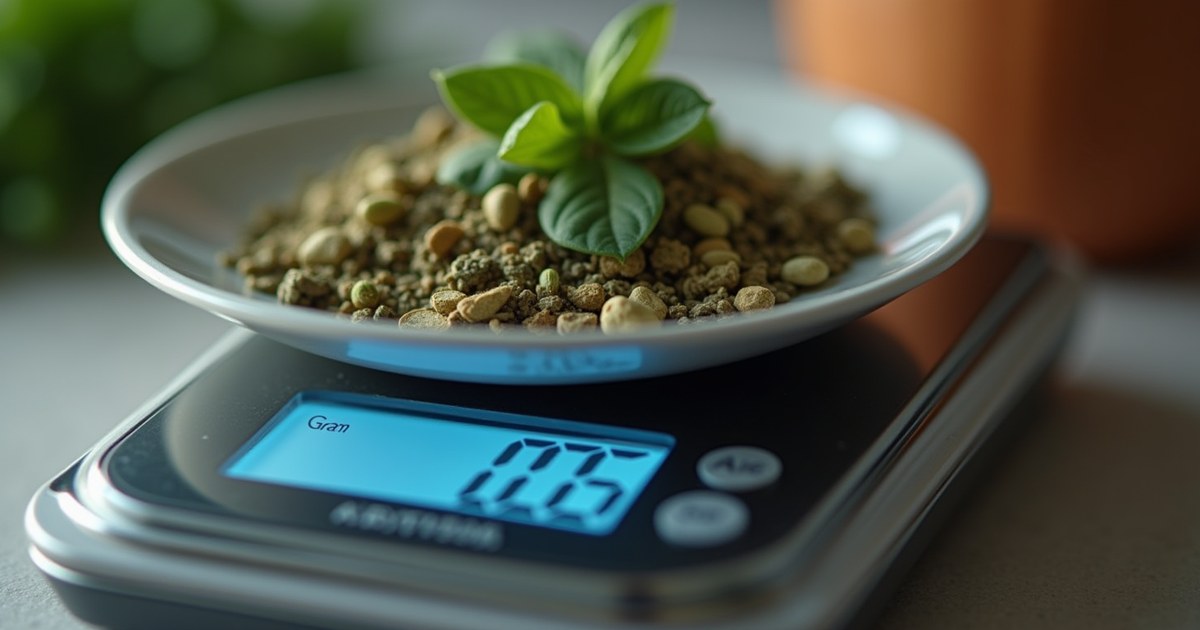
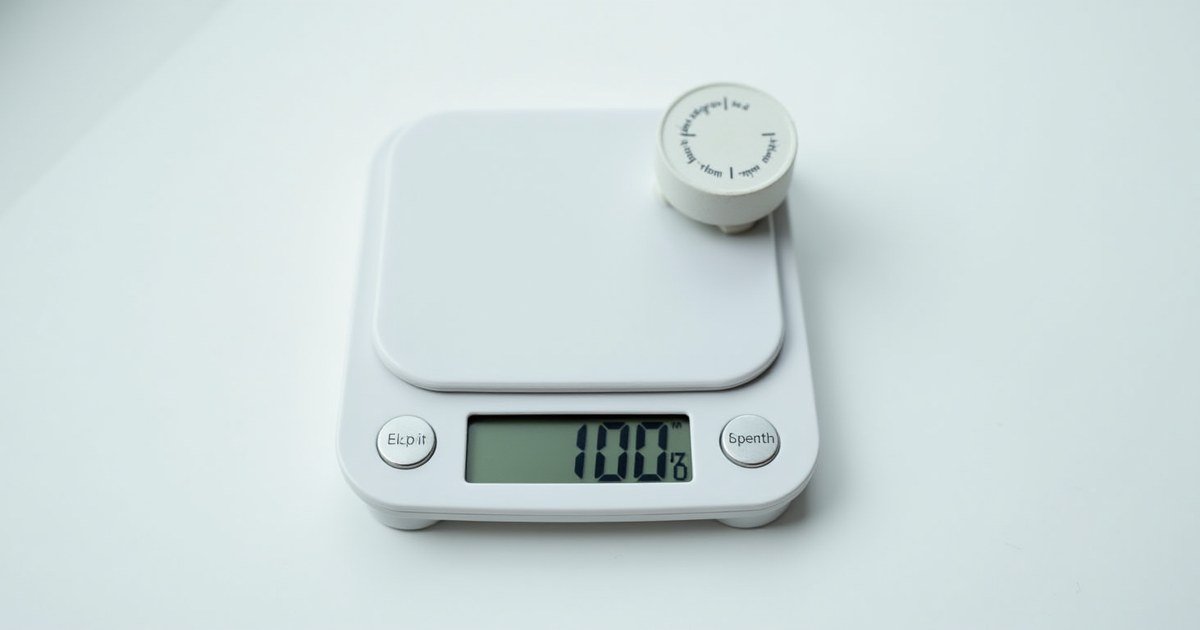
A digital scale gives you an exact number in a second — no reading a needle position, no guessing between lines on a dial. Most compact digital scales measure down to 0.01g, which is precise enough for virtually any home weighing task.
The trade-off is that digital scales need batteries and periodic calibration to stay accurate (see our calibration guide below), and cheap models can drift if dropped or knocked around.
Weighing Scale 0.1g–300g at The Smokery Hub →
Analog (Balance) Scales: Pros and Cons
An analog balance scale works by comparing your item’s weight against a known counterweight — no electronics, no batteries, and nothing to short out or drain. That makes it reliable in the sense that it can’t “glitch,” but reading it accurately takes practice, and most balance scales aren’t fine enough to distinguish small gram differences at a glance.
Best for: anyone who wants a battery-free backup, or values simplicity over speed.
Side-by-Side Comparison
| Factor | Digital Scale | Analog Balance Scale |
|---|---|---|
| Reading speed | Instant, exact number | Slower, requires balancing |
| Precision at low weights | Very high (0.01g common) | Lower, harder to read finely |
| Power source | Batteries required | None needed |
| Calibration | Can drift, needs occasional check | Rarely needs adjustment |
| Portability | Small and lightweight | Bulkier for the same precision |
| Best for | Everyday accurate weighing | Battery-free backup use |
Related Articles
Frequently Asked Questions
Which is more accurate, analog or digital?
Digital, in almost every practical case — a well-calibrated digital scale reads far finer increments than a typical home analog balance.
Do analog scales ever need “calibration”?
They can drift slightly with wear, but it’s mechanical rather than electronic — usually a small adjustment screw rather than a calibration weight and menu.
Is a digital scale worth it if I only weigh occasionally?
Yes — the speed and clarity of a digital reading is worth it even for occasional use, and a basic digital scale is inexpensive.
What happens if a digital scale runs out of battery mid-use?
It simply won’t power on — keep a spare battery on hand, which is the one real convenience advantage analog scales have.
Final Thoughts
For nearly all home use, a digital scale is the more practical choice — faster, more precise, and easier to read at a glance. An analog balance is worth keeping only as a no-battery backup, not as your primary tool.
Shop Weighing Scales at The Smokery Hub
Accurate digital scales in stock now.
Prices listed are approximate and may vary by retailer. Always check current pricing before purchasing.
analog vs digital scale, best scale type for weighing herbs, digital scale vs balance scale for herbs, most accurate scale for small amounts