
- Your cart is empty
- Continue Shopping
Zilla Grinder Review: Plastic vs Alloy — Which Is Worth It?
- Posted on
-
Posted by: Blaze Jax
- 0 comments
- Categories: Herb Grinders
Affiliate Disclosure: This post contains affiliate links. If you buy through our links we may earn a small commission at no extra cost to you.
Quick Answer
Zilla offers a low-cost plastic grinder and a sturdier alloy 4-part grinder. Buy the plastic one as a budget spare or first grinder, and the alloy version if you’ll use it daily and want durable teeth and a screen. As with any grinder, keep it clean and it will last.
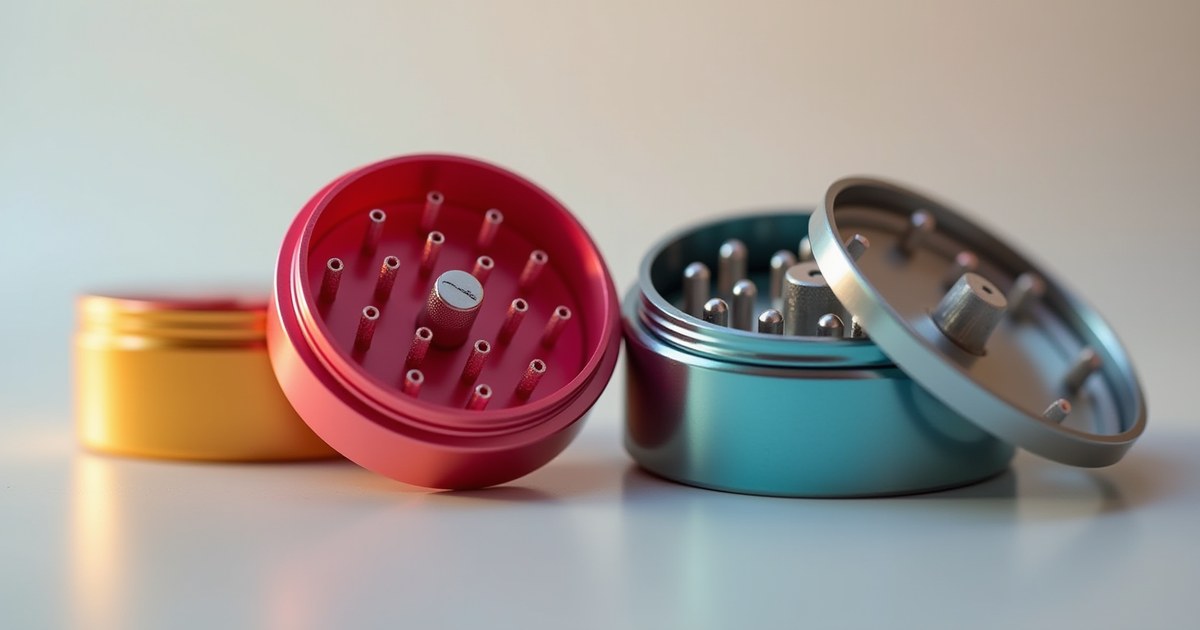
Zilla is one of the grinder brands we stock, sold in a budget plastic version and a heavier alloy version. Which one makes sense depends on how often you grind and what you want from it. This is a guide to what each type offers and who it suits rather than a lab test, and you should check each product page for exact specs.
Zilla Plastic Grinder
The plastic Zilla is the entry-level option. It’s light, inexpensive, and comes in colours, which makes it an easy pick as a first grinder, a spare for your bag, or a small gift. The trade-off is durability: plastic teeth wear faster than metal ones and can crack if dropped or overloaded.
- Best for: occasional use, spares, gifts, budget buyers
- Watch out for: teeth wear, and residue that’s harder to fully clean from plastic
Zilla Plastic Grinder at The Smokery Hub →
Zilla Alloy 4-Part Grinder
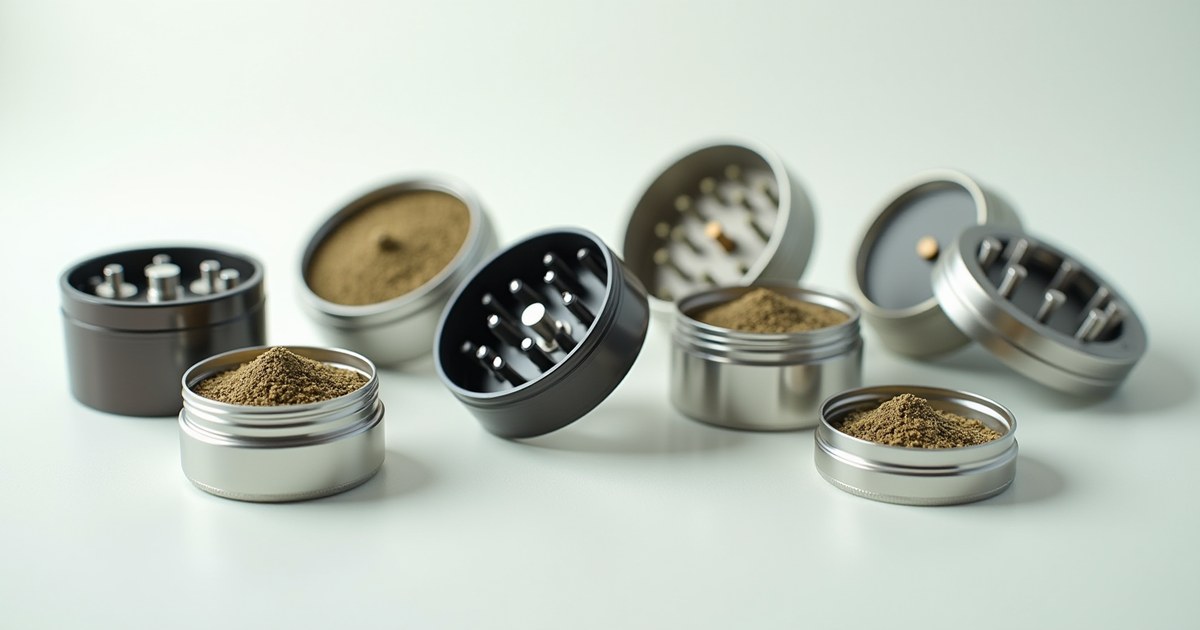
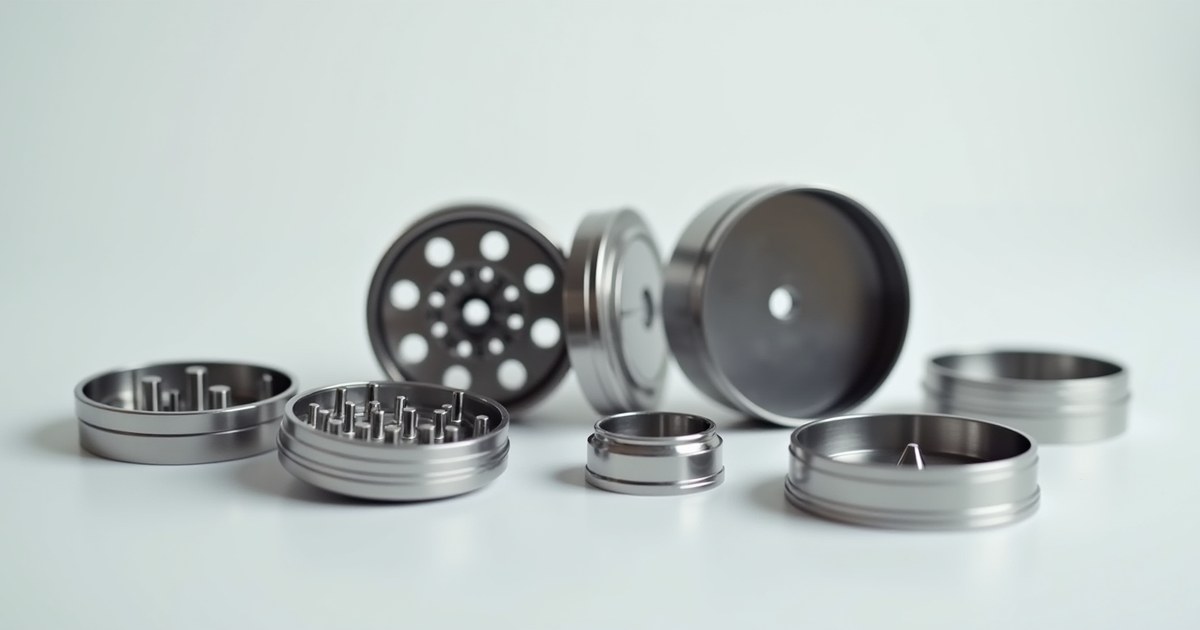
The alloy version is a step up. Metal teeth stay sharp far longer, the body feels solid, and the 4-part design includes a fine screen and a bottom chamber for particles. It’s the better choice if you grind every day and want a grinder that lasts. The extra weight is the only real downside for carrying.
- Best for: daily use, long-term ownership, people who want a screen and catcher
- Watch out for: slightly higher price and more weight
Browse Herb Grinders at The Smokery Hub →
Plastic vs Alloy at a Glance
| Feature | Plastic | Alloy 4-Part |
|---|---|---|
| Price | Lowest | Higher |
| Durability | Moderate | High |
| Weight | Very light | Heavier |
| Fine screen / catcher | Usually no | Yes |
| Best for | Spare or occasional use | Daily use |
For a broader comparison of the two materials, read acrylic vs metal grinders.
Choosing the Right One
If you’re new and unsure how often you’ll grind, the plastic version is a low-risk way to find out. If you already know you’ll use it daily, go straight to metal and skip the frustration of worn teeth. Our complete guide to grinders explains sizes and features, and our best grinders under $20 guide covers other affordable options.
Care Tips
- Clean plastic with warm soapy water; use alcohol sparingly, since strong solvents can damage some plastics
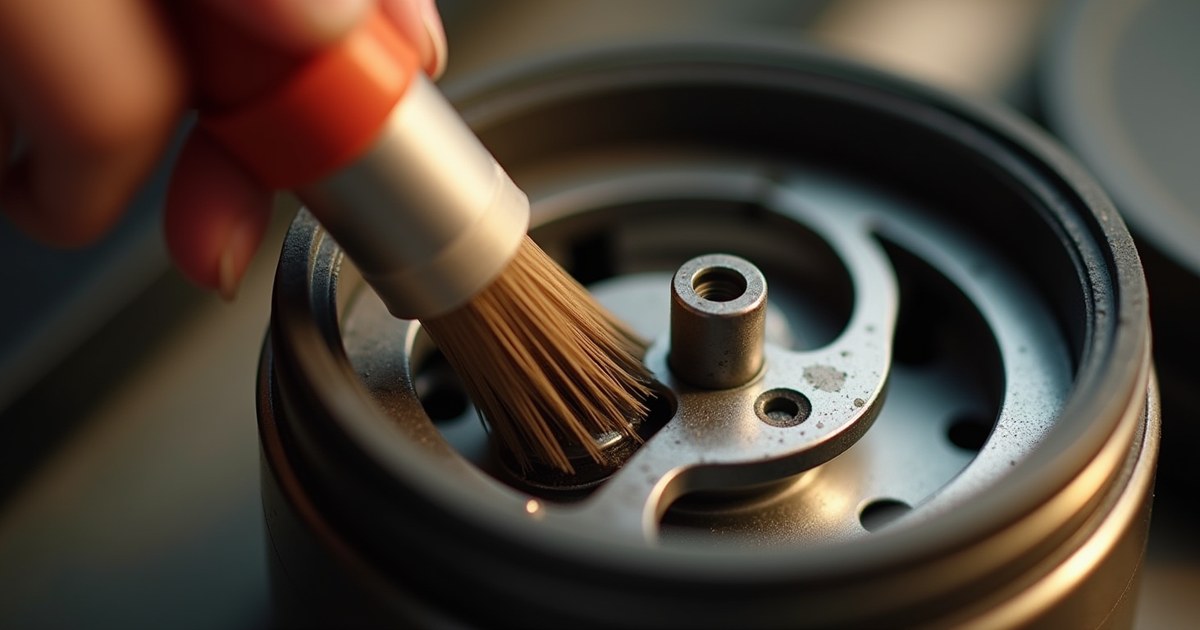
- Clean alloy with isopropyl alcohol and a small brush — see how to clean a metal grinder
- Don’t overfill either type; overloading causes jams
- If it stops working well, check our grinder troubleshooting guide
Related Articles
Frequently Asked Questions
Is the Zilla plastic grinder good?
It’s a reasonable budget option for occasional use. It won’t last as long as metal, but it’s inexpensive.
Is alloy better than plastic?
For durability and daily use, yes. Metal teeth stay sharp far longer.
Can I put a plastic grinder in alcohol?
Brief contact is usually fine, but prolonged soaking or strong solvents can damage some plastics. Warm soapy water is safer.
Which Zilla grinder should I buy first?
If you’re unsure, start with the plastic. If you already use a grinder daily, choose the alloy.
Final Thoughts
Zilla covers both ends of the market: plastic for budget and spares, alloy for everyday durability. Pick based on how often you grind, and keep whichever you choose clean.
Prices listed are approximate and may vary by retailer. Always check current pricing before purchasing.