
- Your cart is empty
- Continue Shopping
Best Electric Herb Grinder in 2026: Is It Worth the Upgrade?
- Posted on
-
Posted by: Blaze Jax
- 0 comments
- Categories: Herb Grinders
Affiliate Disclosure: This post contains affiliate links. If you buy through our links we may earn a small commission at no extra cost to you.
Quick Answer
An electric grinder grinds material in seconds at the push of a button and dispenses it into a drawer, no twisting required. It’s genuinely useful if you have limited hand mobility or grind large amounts often, but a manual 4-part grinder is cheaper, quieter, and just as effective for everyday use.
Manual grinders have worked fine for decades, so why go electric? The honest answer: convenience and speed, not better grinding. This review breaks down what an electric grinder actually does differently, who benefits most, and where a manual grinder still wins.
How an Electric Grinder Works
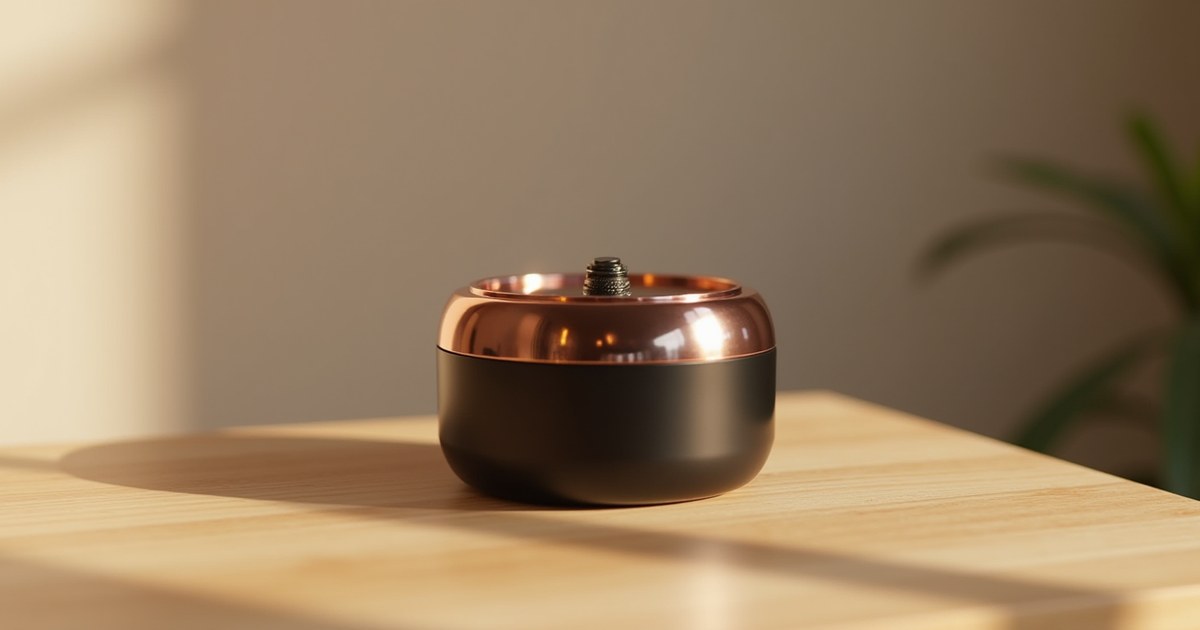
Unlike a manual grinder, which relies on you twisting the top chamber against the bottom, an electric grinder uses a small motor to spin internal blades automatically. Load material into the top, press the button, and ground material collects in a drawer at the base within a few seconds — no manual twisting at all.
Electric Herb Grinder with Auto-Dispensing Drawer (~$27) at The Smokery Hub →
Electric vs Manual: What Actually Changes
Speed
Electric wins clearly here — a few seconds versus 10–15 seconds of twisting by hand. For anyone grinding multiple times a day, that adds up.
Grind Consistency
Roughly a wash. A quality manual grinder with sharp teeth produces grind consistency on par with an electric motor — the automation doesn’t inherently grind “better,” just faster.
Effort
This is where electric genuinely helps. If you have arthritis, limited grip strength, or any hand mobility limitation, an electric grinder removes the twisting motion entirely — a real quality-of-life improvement, not just a novelty.
Noise and Portability
Manual wins both. Electric grinders have a motor hum (usually mild, but noticeable in a quiet room) and need charging or batteries, making them less travel-friendly than a manual grinder that works anywhere, anytime.
Price
Manual grinders start around $8–15. Electric options typically run $25 and up — you’re paying a premium for the automation, not for better grinding performance.
Quick Comparison Table
| Electric Grinder | Manual 4-Part Grinder | |
|---|---|---|
| Speed | Seconds, one button | 10–15 seconds twisting |
| Effort required | Minimal | Moderate grip/twist |
| Consistency | Good | Good (with sharp teeth) |
| Noise | Motor hum | Silent |
| Portability | Needs charging | Works anywhere |
| Price | ~$27+ | ~$8–15 |
Who Should Actually Upgrade
- Limited hand mobility or grip strength — the single strongest reason to go electric.
- Grinding large batches regularly — speed savings compound with frequency.
- Want a “gadget” experience — some people simply prefer the auto-dispensing drawer convenience.
Stick with manual if: you grind occasionally, want something pocket-portable, or don’t want to think about charging another device.
See Grinders on Smoke Cartel → · 4-Part Aluminum Grinder 63mm (~$12) at The Smokery Hub →
Related Articles
Frequently Asked Questions
Does an electric grinder waste more material than a manual one?
Not inherently — as long as it has a proper collection drawer, retention is comparable to a manual grinder’s chamber.
How long does the battery last?
Varies by model, but most auto-dispensing electric grinders handle dozens of grinds per charge with typical use.
Can electric grinders collect kief?
Some models include a mesh screen layer similar to a manual 4-part grinder, but not all — check the specific model’s compartment design before assuming.
Is an electric grinder harder to clean?
Slightly — the motor housing means you can’t fully submerge it the way you can a manual grinder. A brush and occasional wipe-down handles most buildup.
Final Thoughts
An electric grinder isn’t a better grinder — it’s a more convenient one, and that convenience is worth real money to some people and irrelevant to others. If hand fatigue or grinding volume is a genuine issue for you, it’s a solid upgrade. Otherwise, a well-made manual 4-part grinder does the same job for a third of the price.
Shop Herb Grinders at The Smokery Hub
Manual and electric grinders, in stock now.
Prices listed are approximate and may vary by retailer. Always check current pricing before purchasing.
automatic herb grinder review, best electric herb grinder, electric grinder vs manual grinder, is an electric grinder worth it